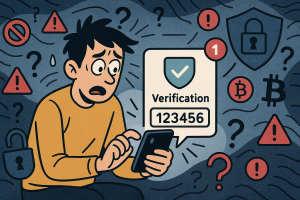
For e-commerce owners navigating security threats and compliance regulations, choosing the right user verification method is essential. From safeguarding user data to ensuring frictionless checkouts, the method you choose directly impacts both your conversion rates and your bottom line. In this data-backed case study, we examine five key ways that email-based SMS OTPs outperform traditional customer verification methods—and how one digital retailer boosted both security and sales.
1. Faster Verification with Lower Abandonment Rates
A fast-growing fashion e-commerce brand replaced their outdated security questions system with email-based SMS OTPs provided by verify-now.com. Their verification completion rate jumped from 76% to 91%.
Why? Because SMS OTPs sent via email arrive faster and are easier to access than security questions, which often lead to abandoned carts. This 15% improvement in verification completion resulted in a 9% increase in successful transactions within the same quarter.
2. Reduced Fraud Incidents by 42%
By integrating email-based SMS OTPs into their checkout and account creation processes, the same retailer saw a notable drop in fraudulent account registrations and payment chargebacks. Traditional methods, such as CAPTCHAs or basic password validation, failed to flag coordinated attacks from bots using synthetic credentials.
Email-based authentication combined with SMS OTP layered an extra shield while maintaining a sleek user experience, dramatically improving compliance with industry best practices like GDPR and PCI DSS.
3. Enhanced User Experience Across Devices
The brand operated in multiple digital markets with over 70% of their traffic coming from mobile devices. The email-based SMS OTP method ensured a seamless user experience across smartphones, tablets, and desktops. Unlike legacy 2FA methods requiring app downloads or hardware tokens, this approach delivered frictionless security with instant usability.
Customer satisfaction ratings improved by 18% in post-purchase surveys due to the simplified login and checkout experience.
4. Scalable Integration with Lower Maintenance Costs
According to internal reports, integration of verify-now.com’s email-based SMS OTP system required 60% less development time compared to setting up a full biometric verification framework. Moreover, ongoing support tickets related to verification issues dropped by 39% in the first six months post-implementation.
For e-commerce owners scaling globally, a verification method that requires minimal upkeep while maintaining robust compliance allows teams to focus on growth instead of operational bottlenecks.
5. Proven Compliance Wins with Regulatory Bodies
Facing audits from two data protection authorities, the brand’s adoption of SMS OTPs tied to email identifiers helped demonstrate their commitment to data minimization and risk-based verification. This stood in stark contrast to their former system, which stored security questions and personal user data in less secure states.
The transition to the email-based SMS OTP model not only satisfied audit requirements but also positioned the brand as a leader in digital trust, ultimately opening doors to new B2B distribution partnerships.
Conclusion: Why Email-Based SMS OTPs Are the Smarter Standard
As this case study illustrates, switching to email-based SMS OTP verification transformed this e-commerce business’s security, compliance, and user trust. With faster verification times, fewer instances of fraud, streamlined UX, and regulatory approval, this method isn’t just a good option—it’s rapidly becoming the industry standard in digital commerce.
Don’t fall behind. Explore more data-driven strategies to protect your digital storefront and enhance customer journeys.