Whether you’re signing up for a new financial app, accessing government services, or creating an online profile, verifying your digital identity is a crucial step. But not all methods of verification are created equal. As more services shift online, knowing your options empowers you to make faster, safer choices. At verify-now.com, we make it easy to understand the best ways to confirm your identity in a digital world.
1. SMS Verification: Fast but Limited
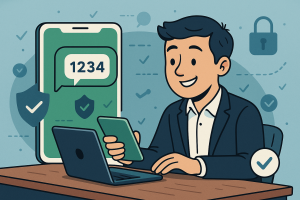
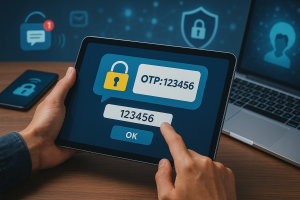
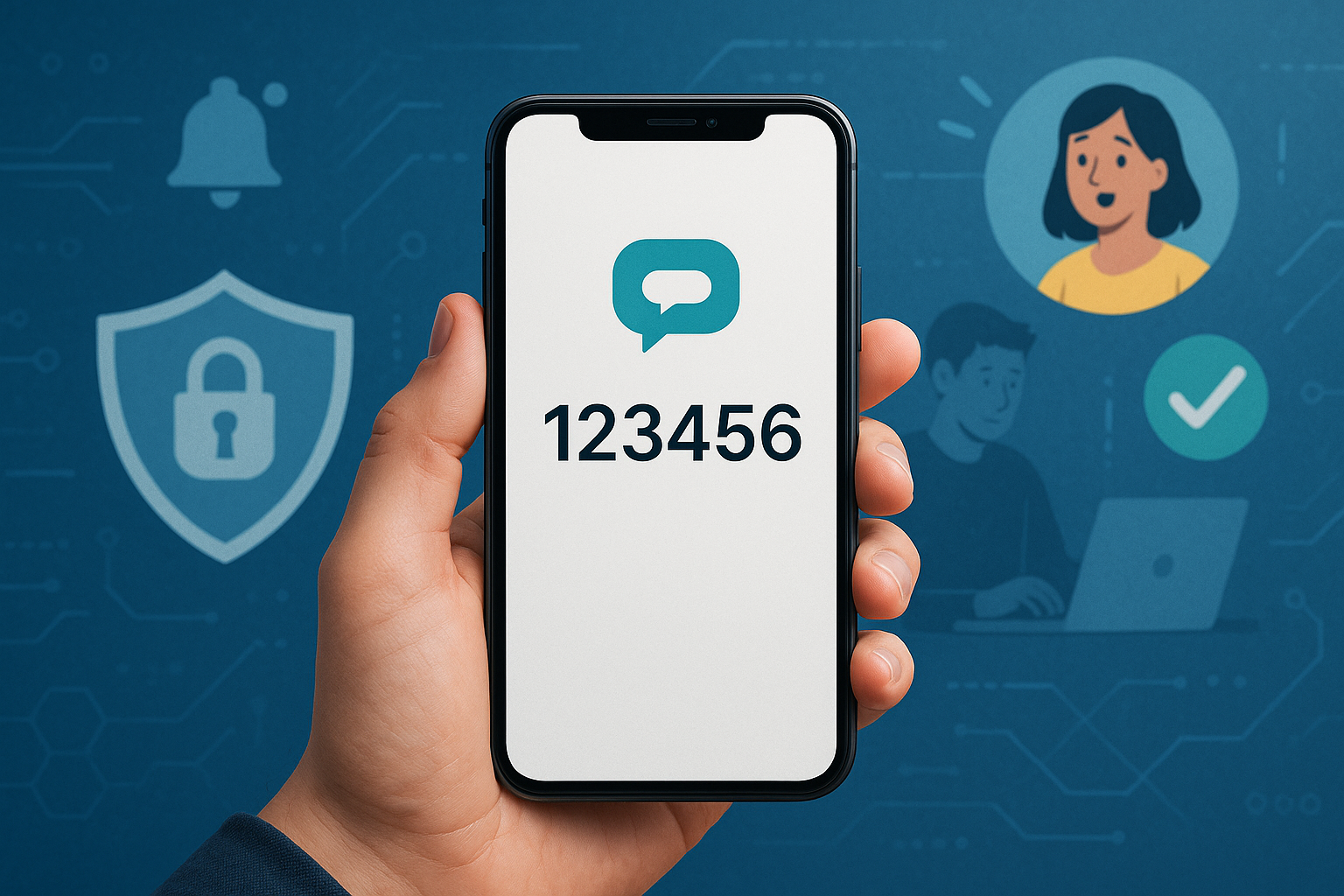
SMS or text message verification is one of the most common methods. You receive a code on your phone and enter it to prove you’re the rightful user. It’s quick and easy, but it has drawbacks. SIM-swapping fraud and unsafe networks can pose risks. SMS verification is best for low-sensitivity apps but shouldn’t be your only security layer for financial or personal data.
2. Email Verification: Simple, But Not Secure Enough Alone
Much like SMS, email verification is frictionless. You click a link or enter a code sent to your inbox. This works well for general accounts like newsletters or forums. However, if you’re using the same email or weak passwords across platforms, this method becomes vulnerable. Layering with additional checks is a smart move.
3. Document Upload: High Trust, More Effort
Some platforms ask you to upload a photo ID, such as a driver’s license or passport. This method delivers high accuracy and is ideal for financial or regulatory services. On the downside, it’s time-consuming and may raise privacy concerns if the provider isn’t transparent about data handling. At verify-now.com, we ensure secure storage and encrypted uploads for peace of mind.
4. Biometric Verification: Secure and Instant
Biometric checks—like face recognition or fingerprint scanning—are becoming more common for high-security access. These methods are fast, convenient, and very difficult to fake. They’re perfect for mobile banking, ride-sharing apps, and health portals. Just make sure the platform takes clear steps to protect your biometric data.
5. Bank-Level Verification: Strong for Financial Apps
Some services allow you to verify your digital identity by logging into your bank account through a secure API. This confirms not only your identity, but also your financial credibility. It’s excellent for peer-to-peer platforms, fintech apps, and marketplaces. The catch? You’ll need to feel comfortable linking your account through a trusted provider.
6. One-Click Verification with Verified Identity Services
Modern identity platforms like verify-now.com offer streamlined flows that combine multiple checks—document scanning, face match, data source validation—all in one simple step. If you want a seamless, frictionless sign-up experience across multiple services, this option is the most comprehensive and future-proof choice.
Which Method Should You Choose?
There’s no one-size-fits-all. It depends on the app’s sensitivity and your own comfort with speed versus security. For low-risk accounts, email or SMS might be enough. For anything involving money, ID uploads or biometrics are smarter. For the ultimate in convenience and trust, consider identity platforms that merge multiple methods into one simple flow—like verify-now.com.
Verifying your digital identity doesn’t have to be complicated. By understanding the options available, you can choose the one that balances trust, speed, and usability—without compromising your security.
Get started today with a secure and simple identity verification experience at verify-now.com.