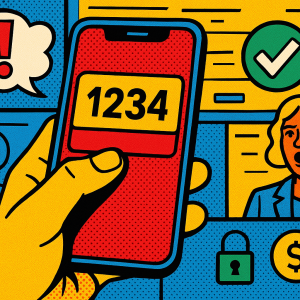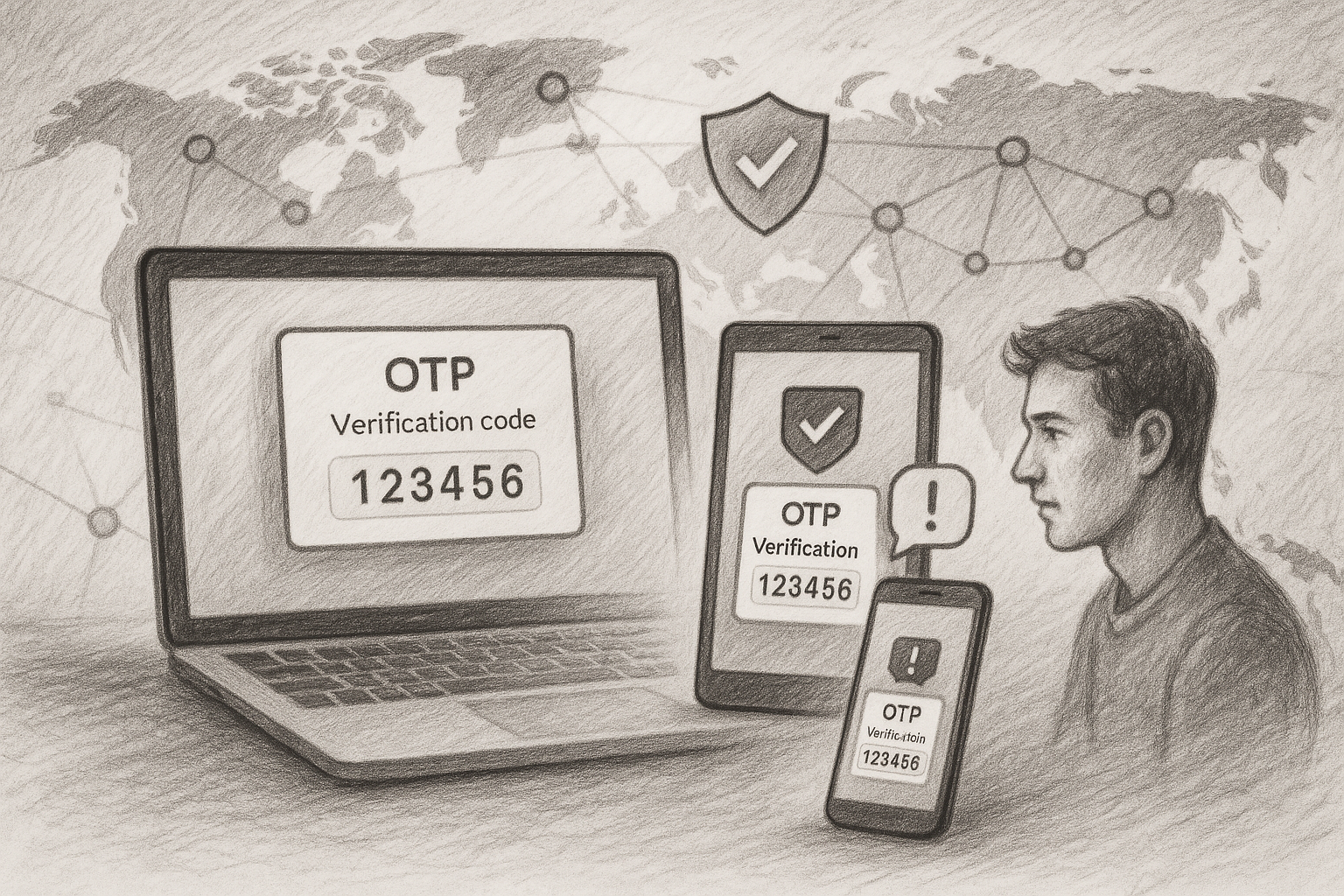
As the digital landscape continues to evolve rapidly, the importance of robust and user-friendly app verification systems is more critical than ever before. With 2024 well underway, app developers are under immense pressure to deliver seamless onboarding experiences without compromising on security. At verify-now.com, we’ve been closely monitoring trends shaping the future of digital verification. Whether you’re building a fintech application, a health app, or a global e-commerce platform, these seven trends will help you stay ahead in the ever-competitive app development world.
1. Rise of Temporary Phone Numbers for Verification
One trend that has gained considerable momentum is the increasing use of temporary phone numbers for verification. App users are becoming more privacy-conscious and hesitant to share their personal numbers. This is where services like those offered by verify-now.com come into play—providing secure, instant-access temporary phone numbers that reduce friction during user registration while enhancing trust and privacy.
For developers, integrating temporary numbers not only simplifies the verification process but also offers flexibility when testing and deploying apps across multiple geographic markets. More importantly, it safeguards user anonymity, particularly essential for apps in dating, freelance work, and social media niches.
2. Invisible and Passive User Verification
The future of verification is happening in the background. Passive user verification leverages device data, location analytics, and biometric cues to authenticate users without requiring active input. This frictionless experience is becoming standard for high-end apps. For developers, it’s vital to integrate SDKs that can track subtle user behaviors, such as typing speed and UI usage patterns, to analyze authenticity over time.
Verify-now.com supports background verification flows using token-based systems in combination with disposable phone numbers to minimize user inconvenience while maximizing security.
3. AI-Powered Risk Scoring and Anomaly Detection
Artificial intelligence is transforming every step of the digital verification journey. In 2024, the fusion of AI with identity management is more precise than ever. Through behavioral biometrics, machine learning can now assess user intent, measure risk levels, and flag anomalies in real time. For instance, multiple sign-ups from a single IP or SIM farm detection becomes easier with AI-driven systems.
When used alongside temporary numbers for verification, AI enhances the detection of fraudulent activities while streamlining access for genuine users—a balance every app developer needs to achieve.
4. Omnichannel Verification Strategies
Verifying users through a single channel is no longer enough. Sophisticated users expect omnichannel options—SMS, email, biometric input, push notifications, even QR code scanning. Multi-layered verification fortifies platforms and helps developers cater to global user bases with varying access to devices or networks.
Verify-now.com provides APIs that work seamlessly across SMS and virtual phone lines, enabling app developers to support users wherever they are, regardless of carrier or country limitations.
5. Self-Destructing Verification Links and Codes
Inspired by the growing demand for ephemeral communication, temporary verification codes that self-destruct after one-time use are trending upward. Gone are the days of all-day valid OTPs sitting vulnerable in inboxes. Developers are building time-sensitive, one-use, encrypted links and codes that expire within seconds of consumption or retrieval.
This trend aligns perfectly with the use of temporary phone numbers for verification, creating a dual-layer of temporal security that’s ideal for sensitive applications like digital banking and telehealth.
6. User-Centric Consent and Data Control
With regulatory frameworks like GDPR and CCPA leading the charge, user control has never been more center stage. Modern apps must bake in clear consent protocols and allow users to manage and delete their verification data efficiently. Transparency in data use is more than a necessity—it’s a design principle.
Smart developers are turning to platforms like verify-now.com that enable easy data minimization through disposable communication channels, making it easier to comply with legal requirements while empowering users to control their digital footprints.
7. App Testing with Regional Verification Numbers
App developers testing across different locales often run into regional challenges—carrier filtering, SMS delivery failures, and country-specific verification policies. Access to a pool of global verification numbers becomes a strategic advantage. Rather than buying expensive burner SIMs, developers are using temporary phone numbers for verification to simulate real-user scenarios across various regions affordably and securely.
This ensures your verification workflows are tested and optimized before the app launches publicly. The result? Fewer abandoned registrations and higher retention rates from day one.
Conclusion: Stay One Step Ahead
The verification space is no longer about just checking a code—it’s about creating trusted and user-friendly onboarding experiences. By understanding and adopting the latest trends—like temporary phone numbers for verification, AI-based anomaly detection, and passive data analytics—you can future-proof your applications and build user trust at every step of the conversion funnel.
Ready to optimize your app’s verification flow? Verify-now.com is your go-to partner for scalable, secure, and developer-friendly solutions. Read more on our blog to explore additional use cases, integration guides, and real-world success stories that will elevate your apps in 2024 and beyond.