As a freelancer or solopreneur in the e-commerce world, you’re likely juggling more responsibilities than a caffeinated octopus—order fulfillment, marketing, customer support, taxes, and yes, security. Digital success demands digital vigilance. But unless your name is Neo and you’re dodging data breaches like bullets, you’ll need tools. The good news? We’ve rounded up a pragmatic list of security compliance strategies and tools that won’t just keep your one-person empire from burning down—they’ll help it flourish with confidence. Let’s dive in.
1. Invest in a Password Manager Before You Forget Yours
You might think your dog’s name plus your birth year is secure. Spoiler: it’s not. A password manager like 1Password or LastPass creates and stores unique, ultra-complex passwords so you don’t have to. These tools not only eliminate the ‘forgot password’ loop-de-loop but also come with built-in breach alerts. For compliance with standards like PCI DSS, unique access credentials aren’t just smart—they’re mandatory.
2. Activate Secure Two-Factor Authentication (2FA)
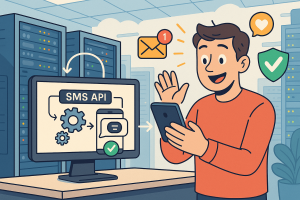
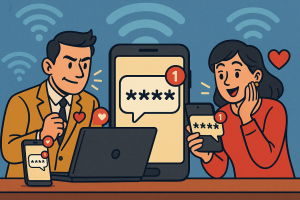
Secure two-factor authentication is the digital equivalent of needing both a key and a retina scan to access your Batcave. Whether it’s via SMS, email, mobile app, or a physical security key, 2FA adds an essential second layer of defense. We recommend tools like Authy, Duo Security, or Google Authenticator. Better yet, integrate Verify Now’s secure two-factor authentication directly into your authentication flow. It’s nimble, scalable, and yes—freelancer-friendly.
3. Encrypt Everything—Even Your Grocery List
Data encryption isn’t just for spy agencies. If you’re collecting customer data—even if it’s just names and email addresses—you’re legally and ethically responsible for protecting it. SSL/TLS certificates encrypt data transmission, and tools like Microsoft BitLocker or Apple FileVault secure your local files. For extra points, store sensitive files in encrypted cloud platforms like Sync.com or Tresorit, not your desktop labeled “Important Stuff.”
4. Embrace Cloud Security Providers Like You Would Your Favorite Hoodie
Managing your own server security is so 2008. Cloud providers like AWS, Microsoft Azure, and Google Cloud offer scalable, compliant platforms that include firewalls, DDoS protection, and automated backups. For solopreneurs, AWS’s free tier is a godsend—bless it and use it responsibly. Pro tip: opt into their compliance monitoring tools to stay aligned with GDPR, HIPAA, and CCPA guidelines. Yes, even if your store only sells novelty cat socks.
5. Automate Your Vulnerability Scanning (Because Sleep Is Important)
Running a business solo means you can’t afford to monitor every security threat manually. Tools like Qualys, Nessus, and Rapid7 InsightVM scan your digital assets for vulnerabilities regularly. These tools flag issues before hackers discover them, giving you time to patch or adjust configurations. Think of it as a digital smoke alarm—quiet until it really, really matters.
6. Use Endpoint Protection That Thinks for Itself
Let’s be honest: antivirus just isn’t cool anymore—unless it comes turbocharged by AI. Modern endpoint security tools like CrowdStrike, Malwarebytes, and SentinelOne do more than find viruses. They analyze behavior patterns, isolate risky processes, and update faster than you can say “zero-day threat.” If you’re using your personal laptop for client data, this is non-negotiable. Endpoint protection? More like end-to-worry protection.
7. Establish a Security Compliance Checklist—Then Automate It
If you don’t write it down, did you even secure it? Compliance isn’t something you achieve once; it’s an ongoing process. Tools like Vanta, Drata, and Tugboat Logic help create and automate compliance workflows for frameworks like SOC 2, ISO 27001, and GDPR. For freelancers, these tools might feel overkill until you land that enterprise client who asks, “Can you share your security compliance report?” Confidence looks good on you.
Bonus: Don’t Go It Alone—Use Verify Now
Let’s be real: compliance tools are fabulous, but weaving them into your business takes time, which you may prefer to spend, you know, actually selling stuff. That’s where Verify Now steps in. From secure two-factor authentication to customizable compliance services, we help freelancers elevate their e-commerce operations from “maybe secure” to military-grade assurance.
Don’t just protect your business—legitimize it.
Conclusion: Your Digital Shop Deserves a Digital Fort Knox
Running a one-person e-commerce shop doesn’t mean skating by on security. In fact, freelancing without compliance tools is like doing parkour in flip-flops: brave, but ill-advised. Equipped with password managers, secure two-factor authentication, cloud-based safeguards, and automated compliance checklists, you’ll transform from vulnerable hustler to cyber-savvy CEO. And if you’re ready to build smarter, safer digital foundations without the guesswork, Request a quote today. Your customers—and your sleep schedule—will thank you.