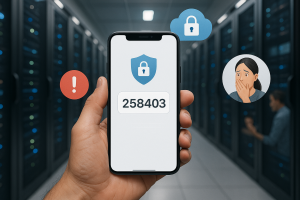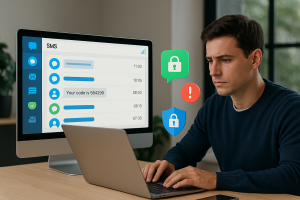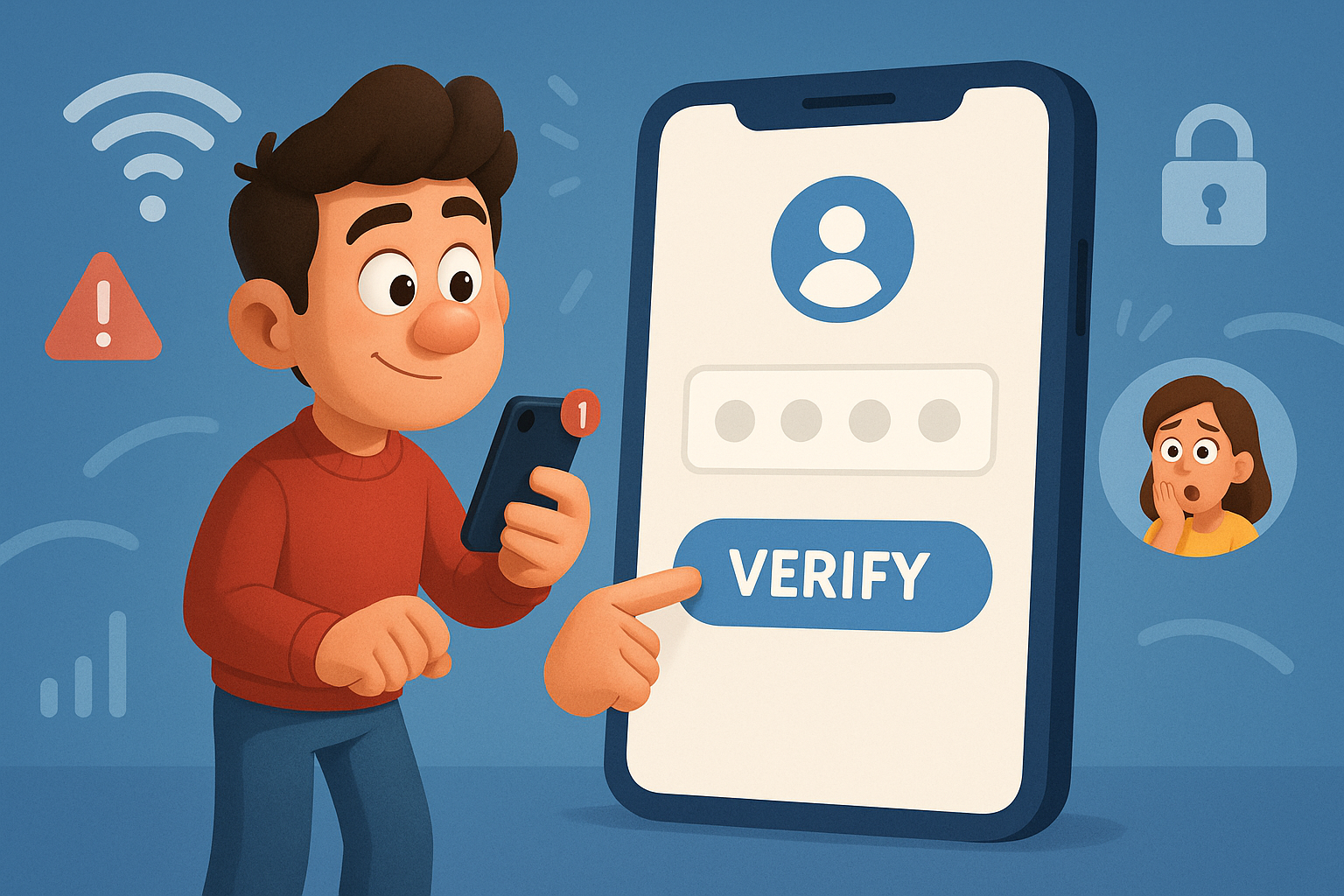
When we think of user privacy, what often comes to mind are encrypted servers, privacy policies, and GDPR compliance. But what truly lies at the heart of user trust in SaaS products is something simpler—and more personal: the onboarding experience. In this how-to narrative, I’ll share the journey of a startup that not only prioritized user privacy but made it their competitive edge by verifying users with real mobile numbers for OTP. Their experience will inspire product managers across the digital industry to reevaluate how identity, privacy, and usability intersect.
Back to the Start: The Problem with Fake Numbers
In early 2022, a fast-growing SaaS startup—let’s call them Formgenix—offered a collaborative form-building tool for remote teams. Their product exploded in popularity, attracting thousands of new users daily. But with rapid growth came a painful realization: a surge of bogus accounts manipulating free-tier usage, polluting analytics, and weakening the platform’s trust metrics.
These fake signups weren’t just a drain on resources. They highlighted a deeper issue: the reliance on weak verification methods, including anonymous VoIP numbers and disposable email addresses. The product team, led by their mission-driven PM, Ava, saw a deeper connection between real user validation and genuine privacy. They knew they needed more than just a technical fix—they needed a philosophy shift.
The Aha Moment: Real Mobile Numbers for OTP
Ava had a conviction: validating users with real mobile numbers for OTP would not only flush out bots and bad actors but also give real users something they truly valued—control over their identity. OTP (One-Time Passwords) sent via SMS to verified mobile numbers offered a lightweight, user-driven form of authentication that didn’t rely on storing passwords or tracking behavior.
But there was hesitation. Would forcing OTP verification overwhelm friction-conscious users? Would growth tank? Here’s where strategy kicked in—Ava and her team configured dual onboarding paths: standard email signup with limited access and OTP-backed signup for full platform use.
Choosing the Right Partner
That’s when Formgenix partnered with Verify Now. Unlike generic authentication vendors, Verify Now was built around a privacy-first framework. Their OTP service was tailored for SaaS platforms that care about both growth and ethics. By using real mobile numbers for OTP, Verify Now ensured high-quality verification while giving users a transparent reason why a phone number was needed: to protect their data and identity.
Setup was swift. Verify Now’s plug-and-play APIs minimized backend friction, while their privacy pledge—never monetizing or retaining user numbers beyond verification—resonated deeply with Formgenix’s brand values.
The Results: Numbers, Trust, and Insight
Within 90 days of rolling out real mobile-based OTP, Formgenix saw a 76% drop in fake signups. But something more important happened too: Net Promoter Score rose by 22 points. Users reported higher trust in the platform, appreciating explicit control over their login and data validation process.
Analytics provided deeper insight: users who verified with mobile OTP were over 2.5x more likely to finish onboarding, upgrade to paid plans, and enable team collaboration features. More importantly, support request volume dropped—no more duplicate accounts, no reset headaches.
Implementing Privacy-first Verification: Your How-To Guide
Inspired by Formgenix’s transformation? Here’s how you, as a SaaS Product Manager, can champion a privacy-centric verification system in your own platform:
- Audit your sign-up journey. Identify where fake accounts or user drop-off is hurting your product experience. Are you offering too much access with too little validation?
- Design dual paths if needed. Allow low-friction entry for trial users but gate powerful features behind an OTP validation layer. Make value clear.
- Choose a partner mindful of privacy. Work with API providers like Verify Now who respect user data, use real mobile numbers for OTP, and are transparent about processing practices.
- Educate your users. Make privacy part of the onboarding message. “We verify your phone to protect you, not to track you.” Trust is built through clarity.
- Measure and iterate. Watch for changes in conversion rates, support tickets, and retention. Mobile verification isn’t just about account validation—it’s about user identity confidence.
When Privacy Becomes a Selling Point
One of the unintended but brilliant outcomes of Formgenix’s OTP rollout was how it became a part of their product marketing. They positioned privacy-forward onboarding as a feature. It wasn’t just safe—it was smart. Enterprise clients loved it. And competitors took notice.
For too long, privacy has been something product teams defer to legal or IT departments. But as Formgenix showed, when you put privacy-first systems into product design, authenticity flourishes, and users reward you with their attention—and their business.
Your Turn to Champion Digital Trust
If you’re a SaaS product manager navigating growth, onboarding balance, and digital responsibility, let this case study challenge you. Skimmed privacy practices may win a sprint, but integrity-rich design wins the marathon. When you verify onboarding users with real mobile numbers for OTP, you’re not just blocking bots—you’re building a future where privacy is the product.
At Verify Now, we believe in a digital world where real humans are protected from the moment they sign up. The question is—will you lead that world?
We’d love to hear your story. What’s worked (or failed) in your quest for better user verification? Leave a comment below and join the conversation on product-driven privacy.