If you’re a SaaS product manager, you know the dance—balancing user experience, seamless communication, and strict privacy concerns without tripping over compliance hurdles. It’s a tall order. But what if I told you that one strategic move—SMS API integration—could streamline this process and enhance both user privacy and lifestyle? In my years of shaping SaaS platforms, I’ve seen first-hand how integrating strategic messaging solutions can take products from chaotic to calm, from risky to robust. Let’s walk through a before-and-after analysis to illustrate how this simple shift creates lasting impact.
1. Before: Fragmented Communication Channels
After: Streamlined, Real-Time Notifications
Before SMS API integration, many SaaS platforms stitched together email, in-app messages, and push notifications—creating inconsistency, lowering deliverability, and opening up privacy concerns. Users would miss critical alerts or get overwhelmed by inconsistent messaging.
After SMS API integration, product managers gain a dedicated and universal line of communication. SMS delivers instant, attention-grabbing messages directly to users’ devices. Whether it’s billing alerts, login codes, or security notifications, messages arrive in seconds, reducing confusion and improving trust.
2. Before: Reactive Privacy Practices
After: Proactive Data Protection
Privacy used to be something you addressed after a data issue occurred. With SMS communications sent through unsecured channels or clunky workflows, private user information was at constant risk.
Integrating a trusted SMS API means enabling safe, encrypted messaging automatically. You also limit the spread of sensitive personal data across third-party tools. The platform can now proactively enforce strict data handling standards, aligned with GDPR or CCPA, offering peace of mind to both users and stakeholders.
3. Before: Manual User Verification
After: Automated 2FA with SMS
User onboarding and access control often involved clunky email verifications or reliance on passwords (which customers easily forget or reuse unsafely). The friction caused delays and, worse, left the product vulnerable to fraud.
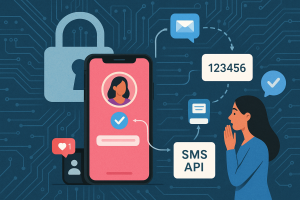
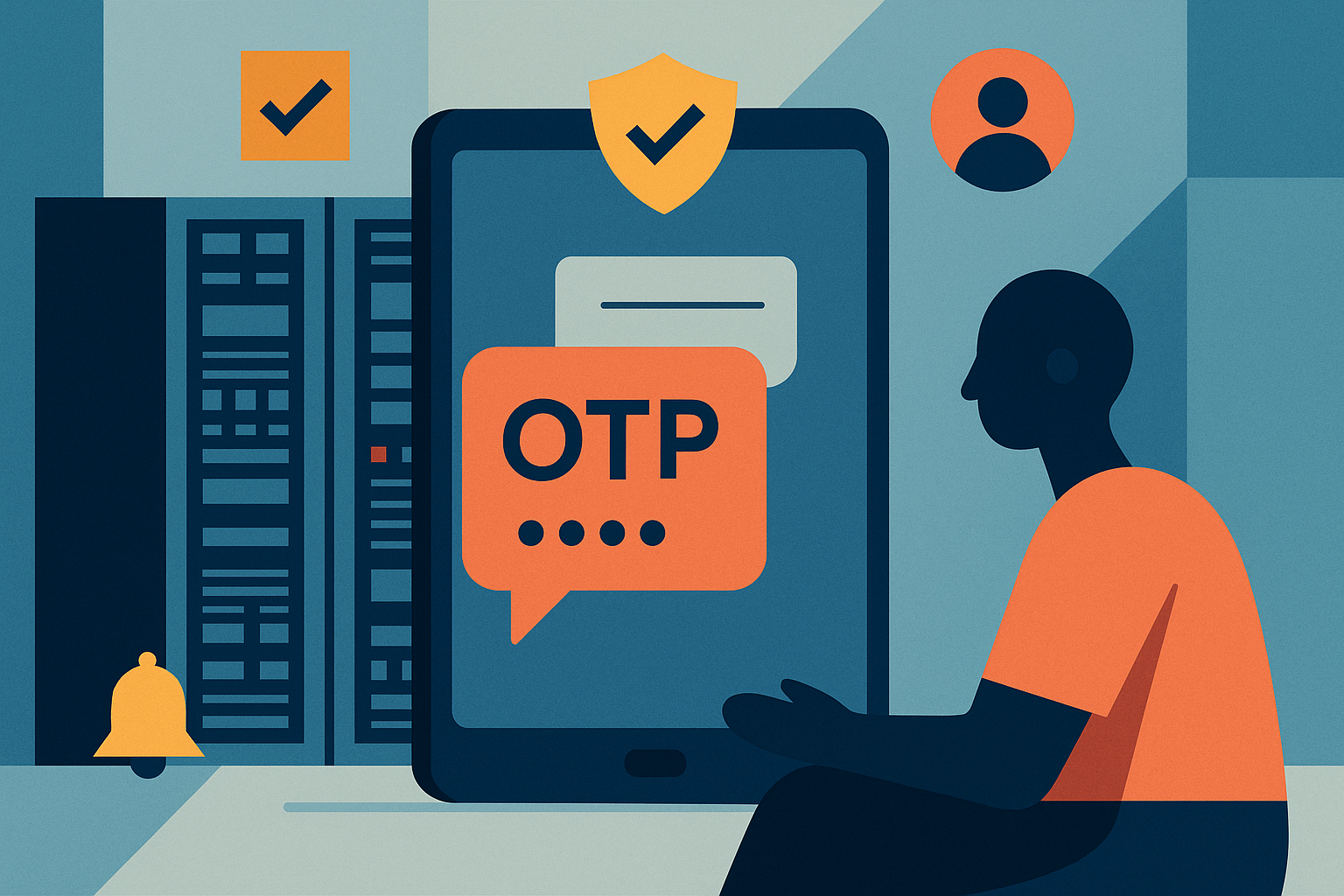
With SMS API integration, verifying users is fast, automated, and secure via two-factor authentication. Users receive an instant code to their mobile number—no app download required. This drastically reduces account compromise incidents while improving onboarding time.
4. Before: High Churn Due to Missed Engagement Opportunities
After: Personalized, Scheduled Messaging
Many SaaS companies struggled to keep users engaged. Important alerts like plan renewals or feature updates went unnoticed in crowded email inboxes. As a result, user churn—and lost revenue—skyrocketed.
Post-SMS API integration, platforms can personalize the timing and content of messages to reach users when they’re most receptive. A simple “Your free trial ends in 3 days” SMS can nudge users to convert. A kind reminder about new features keeps them coming back. The lifestyle shift for both product and user? Predictable, frictionless engagement.
5. Before: Dependence on External Chatbots for Updates
After: Native Communication Layer via SMS
Some teams relied on costly chatbot integrations or external communication services to update users, often sacrificing message delivery and privacy in the process.
SMS API integration puts control back in your hands. Your messaging layer is native, customizable, and secure. You command when and how users are contacted, with a clear audit trail for compliance and peace of mind.
6. Before: Limited Support for Global User Base
After: Scalable, Global Reach
As SaaS products scaled globally, ensuring consistent, compliant communication proved tough. Traditional communication tools lacked support for multiple regions, time zones, and carrier regulations.
SMS APIs offer built-in support for diverse geographies, ensuring compliance with regional privacy laws and reliable message delivery across borders. That means your users in Berlin, New York, and Sydney all receive the same seamless experience. The lifestyle shift? One less headache for your dev team—and a consistent user journey globally.
7. Before: Development Bottlenecks
After: Fast Integration with Minimal Code
Adding communication features often used to mean months of development, testing, and provisioning. For many SaaS teams, this created a choke point when launching new products or updates.
Today’s modern SMS API platforms offer rich documentation, SDKs, and low-code libraries. Integration can be completed in hours instead of weeks. Suddenly, your team stops firefighting and gets back to innovating.
Conclusion: From Chaos to Confidence
SMS API integration isn’t just a feature—it’s a transformation. It changes how your SaaS product communicates, secures user data, delivers support, and respects user lifestyle. The switch influences not just what your platform does, but how it makes your users feel: heard, protected, and valued.
The digital landscape moves quickly, and your platform needs to match that pace while maintaining laser focus on user privacy. Want to see the benefits of SMS API integration in your own product? Explore our services and take the first step toward a more secure, seamless SaaS experience.