As an app developer stepping into user verification and communication features, chances are high that you’ve come across SMS API integration. It sounds straightforward—plug in the code, send messages, done. But it’s easy to fall into some common misconceptions that can lead to underutilized features, unexpected costs, or even security gaps. In this post, we’re diving deep into the seven most common myths about SMS API integration to save you time, money, and headaches. Let’s clear the air, one myth at a time.
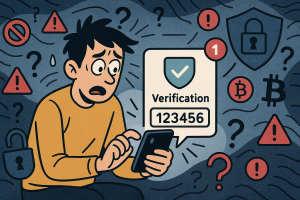
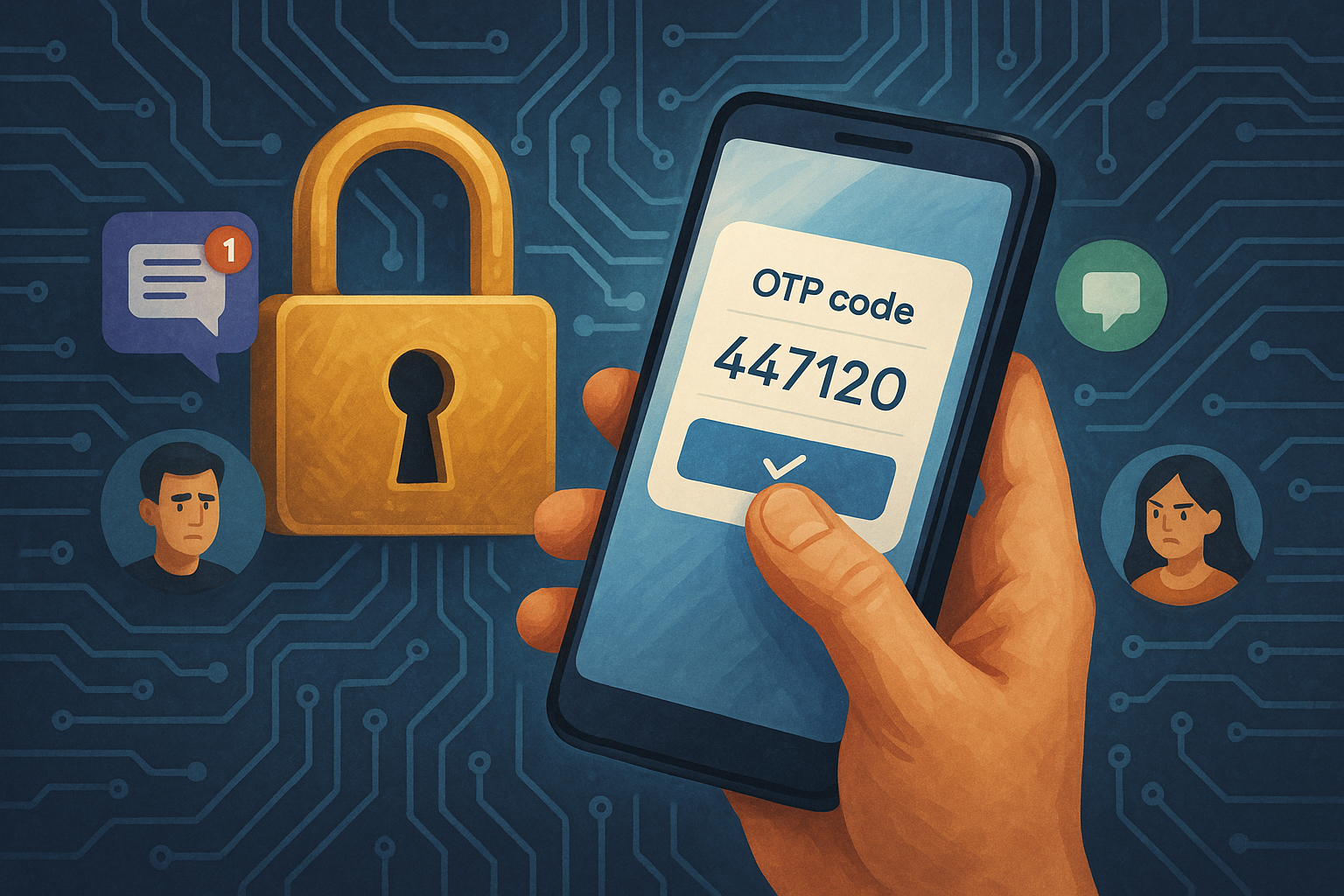
Myth #1: SMS API Integration Is Only for Sending OTPs
While one-time passwords (OTPs) are indeed a popular use case, limiting SMS API integration to just that is a missed opportunity. Many developers don’t realize that SMS APIs can be used for a wide range of features—from password recovery and order confirmations to appointment reminders and personalized promotions.
The Expert Angle: SMS remains one of the most direct channels to engage users. In some sectors, like finance or healthcare, SMS compliance and delivery speed are essential. By integrating SMS for multiple touchpoints, you can drastically improve user engagement and retention.
Myth #2: SMS APIs Are All the Same
It’s easy to assume that most SMS APIs offer the same capabilities, but the quality and features can vary significantly. From message delivery speed and international support to error handling and retry mechanisms, not all APIs are built equal.
Pro Tip: Look for providers like Verify Now that offer detailed delivery reports, fallback options, and robust messaging infrastructure. You’ll want an API that scales with your user base rather than failing silently at 3 a.m. when your system needs it most.
Myth #3: SMS Integration Requires a Backend Team
This is a myth that discourages a lot of solo devs or small teams. Modern SMS APIs are designed to be developer-first, offering clean documentation, SDKs, and prebuilt code snippets that fit right into your app stack—whether you’re working with Node.js, Python, or Kotlin.
What’s Really True: With a little research and guidance, you can integrate SMS functionality in under an hour—even if you’re flying solo. Platforms like Verify Now offer API keys, sample scripts, and even webhook walkthroughs to get you started fast.
Myth #4: SMS Is Outdated and Users Prefer Push Notifications
Push notifications are powerful, sure—but SMS still boasts a 98% open rate, with most messages read within three minutes. In contrast, push notifications can be disabled, filtered, or ignored, especially on newer operating systems that give users tight control over app permissions.
Sometimes, old school really is reliable. Particularly for time-sensitive messages like 2FA codes or fraud alerts, SMS remains unbeatable in terms of immediacy and reach—even to users without your app installed.
Myth #5: SMS APIs Are Expensive
Cost is one of the first concerns devs raise when exploring SMS features. While it’s true that sending SMS messages incurs a cost (as opposed to, say, push notifications), it’s often more affordable than you’d expect—especially when you compare against the value of reduced churn, improved security, and better user communication.
The Bottom Line: Most SMS APIs, including Verify Now, offer scalable pricing tiers, usage dashboards, and even bulk discounts. You’re always in control—and you can test integrations in sandbox mode before spending a single cent.
Myth #6: SMS APIs Don’t Need Monitoring
Once your SMS integration is live, it’s tempting to assume it’ll keep running without any oversight. But delivery issues can emerge from carrier problems, bad formatting, or even blacklistings—especially in international messaging.
Wise Developer Advice: Use analytics and alerting features built into your SMS service. Monitor delivery rates, latency, and error codes. Platforms like Verify Now provide real-time delivery tracking so you can spot and fix issues before users start complaining.
Myth #7: Anyone Can Use Any SMS Gateway Worldwide
Global messaging sounds like a given in 2024, but different countries have wildly different telecom regulations. What works in the U.S. might not work in India or Brazil. Some countries require pre-registration, while others filter content aggressively.
Avoid Pitfalls: Choose an SMS provider with local compliance knowledge and global gateway partnerships. Verify Now, for example, provides location-optimized routing to maximize deliverability no matter where your users are.
Conclusion: Think Bigger About SMS
As a developer, you constantly juggle priorities—clean code, feature velocity, and user satisfaction. When it comes to SMS API integration, understanding the real facts behind the functionality helps you build smarter, not harder. It’s not just about verification codes—it’s about delivering vital messages securely, quickly, and at scale.
Ready to make the most of your SMS strategy? Don’t let old myths slow you down. Visit verify-now.com to learn how simple, powerful, and flexible SMS API integration can transform your app experience.
Want to go deeper into best practices, use cases, and real-world examples? Read more on our blog.