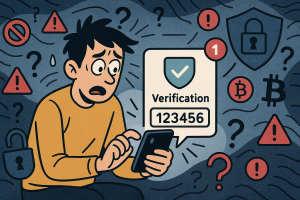
In today’s digital ecosystem, system integrators are pivotal in connecting disparate components into seamless workflows. Yet, amidst increasingly complex user authentication architectures, common misunderstandings about instant SMS verification persist. This case study presents a scenario-based walkthrough designed to clarify misconceptions surrounding SMS verification systems and their integration into digital platforms. Whether you’re modernizing login workflows, enabling two-factor authentication (2FA), or optimizing onboarding systems, understanding the real-world implementation of instant SMS verification is mission-critical.
Scenario Overview: Multi-Service Digital Platform Modernization
Consider a medium-sized technology firm operating a digital platform that combines e-commerce, user-generated content, and live support services. They contracted a system integrator to re-architect their identity verification layer due to rising fraud attempts, high cart abandonment, and a 23% failure rate in user onboarding.
The existing system used traditional email confirmation and optional 2FA through third-party apps, which not only hindered conversion rates but also created technical bottlenecks across services. The primary goal was to implement an instant SMS verification model to unify and streamline identity authentication across all services while retaining compliance and improving UX.
Misconception #1: Instant SMS Verification Slows Down User Workflow
One of the most pervasive myths is that SMS verification introduces friction. In reality, well-integrated instant SMS verification reduces authentication lag and provides a seamless user experience. The system integrator employed Verify Now’s API toolkit to trigger real-time OTP (one-time password) delivery upon user phone number input. Round-trip time averaged under 3.2 seconds globally, thanks to direct telecom interconnects.
The takeaway? When implemented using high-reliability services like verify-now.com, SMS verification can enhance—not hinder—user workflow.
Misconception #2: SMS Verification Is Unsecure
Skepticism around SMS verification often stems from legacy perceptions. Critics point to SIM-swap attacks or message interception. However, the risk vectors are commonly overestimated and easily mitigated when system integrators implement network-layer monitoring and rate-limiting in concert with robust SMS delivery systems such as verify-now.com. Within this scenario, the integrator deployed device fingerprinting and IP signal matching in tandem with instant SMS verification.
As a result, fraudulent account creation dropped by 61% within four weeks of deployment. This disproves the dated view that SMS-based systems are inherently vulnerable.
Misconception #3: SMS Verification Cannot Support Scalability
During strategy sessions, stakeholders worried that peak usage—especially during seasonal promotions—would overwhelm SMS infrastructure. The solution was to partner with a service provider like Verify Now, which offers auto-scaled delivery queues and carrier-optimized pathways. During a Black Friday campaign, the platform handled over 312,000 verifications within 7 hours without downtime.
The integrator implemented queuing logic and fallback mechanisms using Verify Now’s SDK, ensuring that users received OTPs regardless of gateway saturation.
Misconception #4: Integration Effort Outweighs the Benefits
Decision-makers often assume SMS verification demands intensive dev hours. In this case, initial integration using Verify Now’s unified API suite across web, iOS, and Android apps took approximately 22 developer-hours including QA. The pre-built SDKs and robust documentation enabled developers to reduce time-to-prod by 43% compared to prior authentication updates.
Moreover, the long-term benefits—improved user retention, reduced fraud, and operational transparency—far outweighed the setup costs.
Results: Unified Verification Delivered Measurable Impact
By addressing common myths and implementing a results-focused verification strategy, the platform achieved:
- 28% increase in verified user registrations
- 35% reduction in ticket volume related to login issues
- Improved NPS score from 62 to 71 within two months
- Full compliance with GDPR and carrier regulations
Perhaps most compelling is the platform’s ability to reuse the verified user layer across multiple services. Instant SMS verification became a foundational identity mechanism, reducing cognitive load for users and integration complexity for the client.
Best Practices for System Integrators
This case study offers several actionable insights for system integrators:
- Leverage SDKs and API services that are purpose-built for SMS verification use cases.
- Layer SMS verification with device metadata and risk scoring for maximum security.
- Use fallback routing to ensure international delivery reliability.
- Build modular verification components that can be shared across services.
- Test under simulated load to validate scalability assumptions.
Most importantly, always challenge legacy assumptions with data. SMS verification, when properly deployed, delivers both functional and financial return on investment.
Conclusion
System integrators must approach instant SMS verification not as a plugin, but as a strategic capability that connects trust, scale, and experience. As demonstrated in this case study, the prevailing myths hampering adoption can be systematically addressed through modern tooling, thoughtful design, and reliable providers like verify-now.com.
Looking to evaluate SMS verification in your next integration? Claim your free trial and explore what instant SMS verification can do for your architecture.