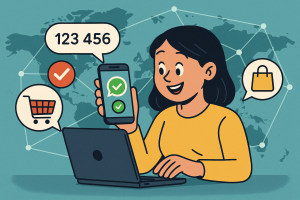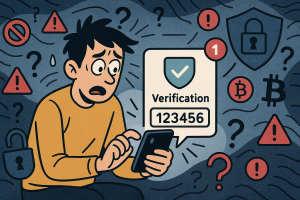
In the increasingly data-driven world of digital marketing, privacy has become both a pressing concern and a powerful differentiator. However, for digital marketers, navigating this sensitive landscape is often mired in misinformation. From exaggerated interpretations of data regulations to misplaced fears about international OTP delivery systems, many practitioners are inadvertently working under myths that hamper innovation and damage consumer trust. This blog post seeks to debunk some of the most pervasive myths surrounding privacy in digital marketing, supporting better-informed decision-making for professionals who aim to strike the perfect balance between personalization and protection.
Myth 1: More Data Always Equals Better Marketing
One of the most widely accepted—yet flawed—beliefs in digital marketing is that collecting more customer data naturally leads to better outcomes. While data is fundamental to personalization and optimization, quantity does not guarantee quality. Often, collecting excessive customer data increases liability without producing proportional returns in insight or performance.
With the rise of data privacy regulations like the GDPR and the CCPA, digital marketers now must justify every piece of personally identifiable information (PII) they collect. Instead of hoarding data, focus should shift to capturing high-quality, consented data that serves a well-defined purpose. This approach not only enhances performance but also builds consumer trust—a critical currency in today’s privacy-conscious environment.
Myth 2: Privacy Regulations Are Barriers to Innovation
Many marketers view data privacy laws as red tape that stifles creativity and efficiency. This misconception arises from the assumption that compliance stifles experimentation. In reality, privacy regulations offer an opportunity for digital marketers to innovate within well-defined ethical boundaries, fostering long-term brand equity and customer loyalty.
When organizations invest in user-centric privacy protocols—such as transparent data practices, opt-in consent flows, or international OTP delivery systems for better user verification—they are not only complying with global regulations but also enhancing the user experience. These efforts can result in cleaner datasets, improved audience segmentation, and increased engagement, effectively turning compliance into a competitive advantage.
Myth 3: Consumers Don’t Really Care About Privacy
Some digital marketers operate under the assumption that users are willing to trade privacy for convenience, and in many short-term scenarios, this appears to be true. However, consistent polls and behavioral studies indicate that consumers are growing increasingly concerned about how their personal information is used.
Apathy is often a result of unclear choices and overwhelming terms, not actual indifference. Brands that proactively offer privacy as a feature—not merely an obligation—reap greater loyalty. Implementing transparent privacy notices, minimizing data usage, and using secure verification processes, such as international OTP delivery, reassures users and can distinguish your brand in competitive markets.
Myth 4: International Data Transfers Are Too Risky for Marketing Operations
Many organizations avoid international data initiatives out of fear that cross-border transfers inherently violate data protection laws. While it’s true that these transfers raise compliance considerations, they are far from impossible. With proper safeguards in place, such as Standard Contractual Clauses (SCCs) and encrypted international OTP delivery, brands can maintain a compliant global presence.
Rather than limiting operational scope to regions with homogeneous privacy laws, marketers should leverage these legal frameworks as guiding tools. Partnering with vendors who specialize in communication and verification tools that accommodate international compliance standards ensures secure and efficient global marketing campaigns. This flexibility becomes especially crucial for brands with multilingual and multicultural audiences.
Myth 5: Anonymized Data Eliminates Privacy Risks
It’s tempting to assume that anonymizing data completely removes privacy concerns. However, recent research demonstrates that re-identification of anonymized datasets is possible by linking them with auxiliary information. This hidden vulnerability endangers both brand reputation and user trust if not properly understood and managed.
Instead of banking solely on anonymization, marketers should adopt a layered approach that includes pseudonymization, encryption, and digital verification systems like international OTP delivery to confirm user actions while preserving their identity. A strong privacy architecture significantly reduces the chances of accidental or malicious data breaches.
Myth 6: Privacy is Solely the Responsibility of the Legal Department
Another insidious myth is that privacy concerns fall exclusively under the legal or IT department’s domain. In practice, safeguarding consumer data should be a shared responsibility across all marketing operations, including campaign design, platform selection, and message targeting.
For instance, the method of user verification—an often-overlooked detail by marketers—has privacy implications. Choosing secure and compliant alternatives, such as international OTP delivery, not only ensures message integrity but also strengthens the larger customer experience. Marketing professionals must be privacy guardians, not just creative tacticians.
Myth 7: Opt-Out Mechanisms Are Enough
Providing users with the ability to opt out may satisfy legal requirements, but it doesn’t necessarily fulfill the ethical obligations of a privacy-first strategy. Digital consumers deserve meaningful control over their data, including how it is collected, stored, and used.
Forward-thinking marketers employ opt-in strategies, privacy dashboards, and real-time verification methods like international OTP delivery to demonstrate respect and accountability. These features are no longer “nice to haves”; they are core components of a privacy-aligned marketing framework that values user autonomy.
Conclusion: Truth Builds Trust
In the era of hyper-personalization and global audience reach, marketers must not let myths shape their privacy strategies. The truth is clear: data ethics and digital success can co-exist. Forward-looking brands leverage tools like international OTP delivery to combine verification fidelity with regulatory compliance, making trust an integral part of their customer journey. By debunking these myths, marketers are better equipped to make strategic decisions that enhance both efficacy and integrity in their campaigns.
If your organization is ready to implement privacy-first marketing solutions that scale globally, contact Verify Now to request a quote and learn how our secure communications and user verification tools can transform your digital strategy.