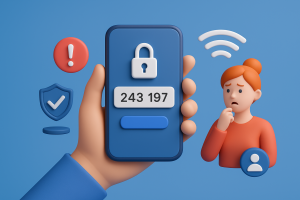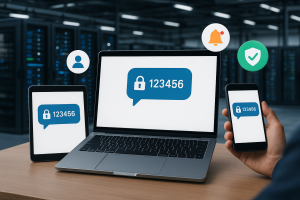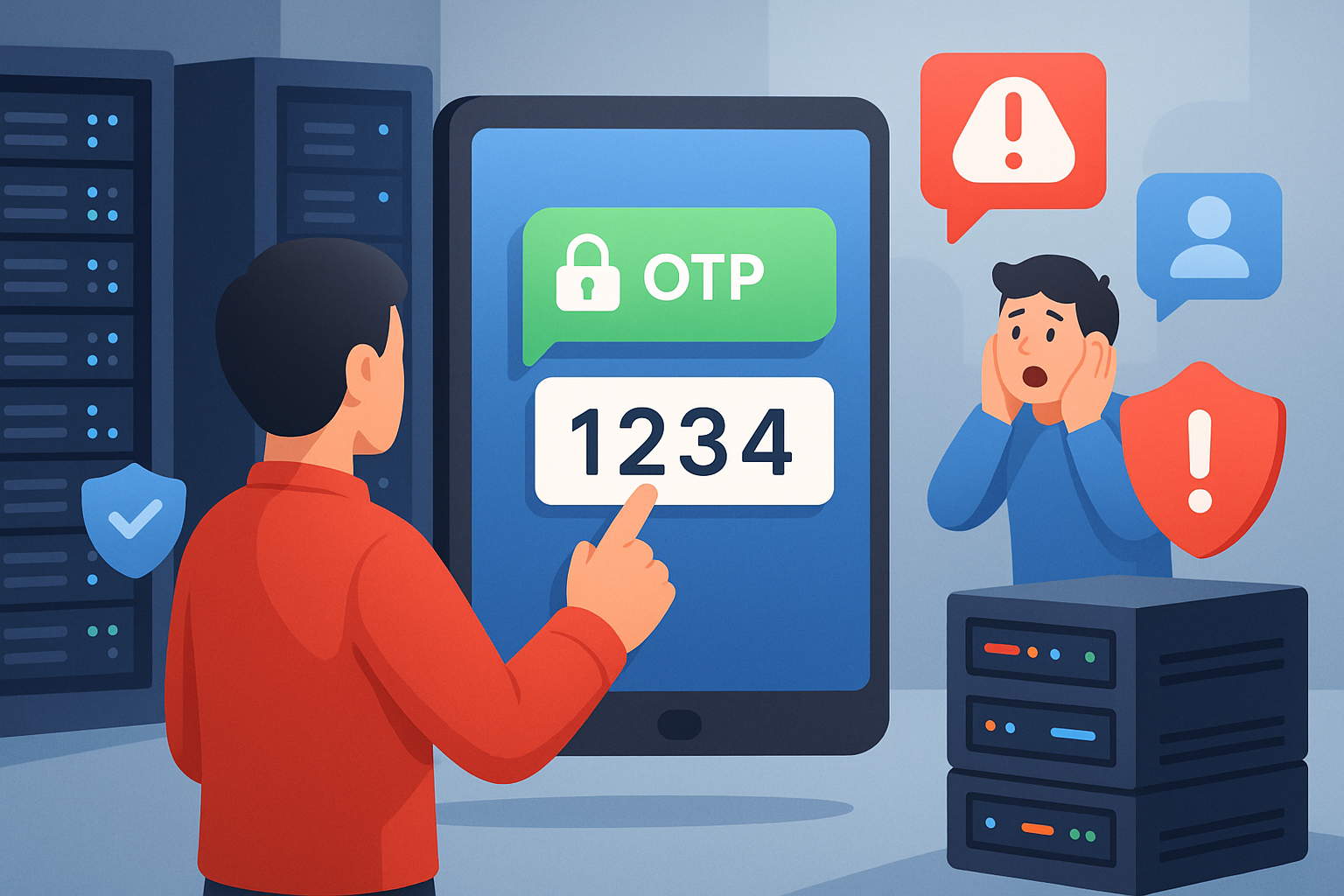
In our increasingly connected world, the line between our personal lives and our digital presence has become thinner than ever. While the internet empowers us with knowledge, convenience, and social interaction, it also exposes us to threats like identity theft, scams, and data breaches. This blog post explores the shifts in digital safety practices before and after adapting modern privacy strategies, with a helpful resource list to support you in safeguarding your online activities—from social media use to WhatsApp verification.
Before: Everyday Internet Use Without Privacy Precautions
Let’s consider Rachel, a 28-year-old graphic designer. Like many, she uses social networks, online marketplaces, and messaging apps on a daily basis. Before understanding digital privacy practices, Rachel’s habits looked like this:
- Using the same password across multiple platforms
- Posting personal updates, location tags, and photos without privacy settings
- Downloading apps without checking permissions
- Registering accounts with her personal phone number and email
- Not knowing the difference between encrypted and non-encrypted messaging
These seemingly innocent behaviors made her vulnerable to:
- Phishing attacks via email and messaging apps
- Targeted advertising and unwanted data collection
- SIM swapping and unauthorized access to her secure accounts
- Social engineering scams based on personal information she posted publicly
Without realizing it, Rachel gave away control of her digital footprint, putting her personal and financial information at risk.
After: Empowered by Privacy Tools and Best Practices
Weeks later, after a phishing attempt nearly compromised Rachel’s bank account, she decided to make her online life safer. By consulting trusted tools and following expert recommendations, she transformed her habits. Here’s what changed:
- Two-Factor Authentication (2FA): Rachel enabled 2FA on her email, cloud storage, and social media accounts.
- Private Number Solutions: Instead of registering her personal number online, she began using temporary numbers via services like WhatsApp verification through trusted platforms.
- Password Management: She adopted a secure password manager to create and store unique, complex passwords for each account.
- Permission Awareness: Rachel began checking app permissions, uninstalling apps with excessive access, and deleting accounts she no longer used.
- End-to-End Encryption: She ensured her messaging apps offered strong encryption and used secure alternatives when possible.
The outcome wasn’t just better privacy—it was peace of mind. She reclaimed her digital identity, drastically minimized unsolicited contact, and prevented unauthorized access to her most sensitive accounts.
Essential Tools and Resources for Improving Digital Privacy
Whether you’re starting your journey or looking to deepen your digital safety strategy, the right resources go a long way. Here are top tools and services we recommend:
- Password Managers: Bitwarden, 1Password, and LastPass help you secure your credentials without remembering every password.
- VPN Services: ExpressVPN and ProtonVPN encrypt your internet connection, especially on public Wi-Fi.
- Secure Browsers: Firefox with privacy extensions and Brave prioritize user protection.
- Private Communication: Signal and Telegram for end-to-end encrypted messaging.
- Email Aliases: Services like SimpleLogin or AnonAddy help protect your real email from spam and tracking.
- Temporary Phone Verification: Services like verify-now.com allow you to access platforms like WhatsApp safely with verified disposable numbers, safeguarding your personal line.
- Data Breach Monitoring: Use HaveIBeenPwned.com to check if your data has appeared in known data breaches.
Tip: Combine resources. For example, using a secure browser, VPN, email alias, and temporary number together creates a multi-layered defense.
How Verify Now Supports Safer Communication
At verify-now.com, we understand how sensitive your contact information is in today’s digital economy. That’s why our WhatsApp verification service ensures you can sign up or verify on WhatsApp and other platforms without compromising your real phone number.
We offer:
- Fast access to temporary numbers with high success rates
- Secure delivery of verification codes
- Reliable support for leading apps, including WhatsApp, Telegram, and Discord
Whether you’re a freelancer, a parent wanting more control over your child’s digital exposure, or a general user just seeking a safer internet, our tools are here to help.
Simple Privacy Wins You Can Implement Today
1. Use a dedicated email for sensitive accounts.
Create a separate email address for banking and important services, different from the one you use for newsletters and shopping.
2. Remove unnecessary personal details from social profiles.
Avoid displaying your full birth date, location, or contact info publicly.
3. Use temporary verification for new apps.
Instead of registering with your personal number, apply a safe option like WhatsApp verification through Verify Now.
4. Audit your online presence quarterly.
Delete inactive accounts and limit stored information on cloud services.
5. Stay informed.
Privacy evolves with technology. Follow trusted sources to stay ahead of new risks and tools.
Conclusion
Digital safety is no longer optional—it’s foundational to modern life. By applying thoughtful privacy practices and utilizing proven tools, you can move from exposed to empowered. Whether you’re a casual user or a digital native, your actions make a difference in deterring data misuse and ensuring peace of mind.
Ready to start protecting your privacy? Explore our secure solutions and start your first WhatsApp verification with Verify Now. Get started today!