Today’s digital landscape has made it easier than ever to create a thriving career without the nine-to-five grind. Whether you’re a seasoned coder, graphic designer, or content strategist, the path to independence usually boils down to two core routes: working as a freelancer or enrolling on gig platforms. Both offer flexibility, autonomy, and income potential—but each comes with a distinct set of advantages and disadvantages. In this post, we’ll break down the pros and cons of freelancing independently vs using platforms, helping you decide the path that empowers your digital future.
What Does It Mean to Be an Independent Freelancer?
An independent freelancer is a self-employed professional who works directly with clients, usually without an intermediary. You are responsible for marketing yourself, negotiating contracts, sending invoices, and securing ongoing gigs. This route offers complete autonomy but calls for strong entrepreneurial discipline.
Pros of Going Solo
1. Full Income Control
As a solo freelancer, you keep 100% of your earnings. There are no platform fees or percentage cuts involved, allowing you to price your services based on value—not algorithm recommendations.
2. Brand Autonomy
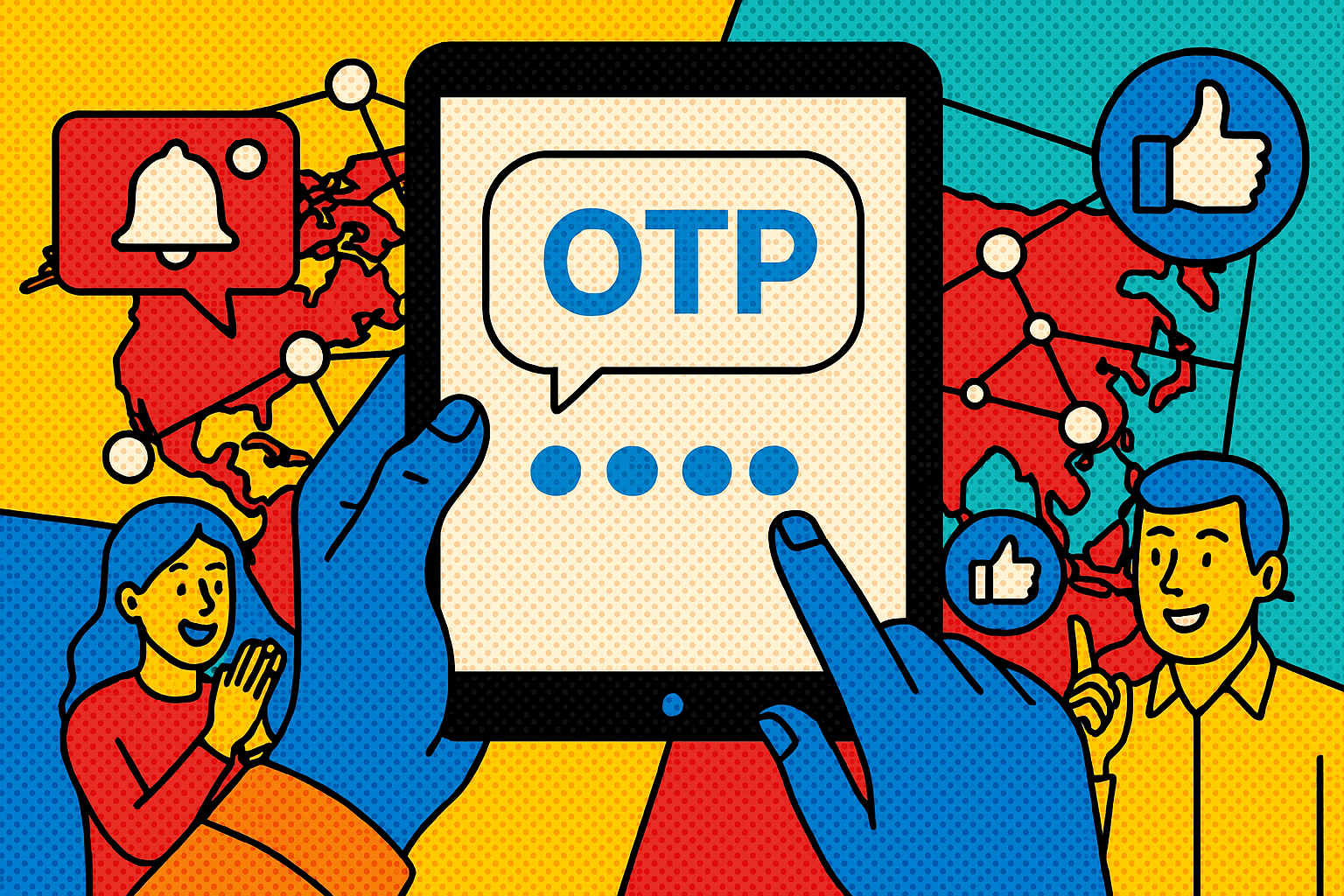
Freelancing independently gives you the freedom to develop your own brand, website, and digital footprint. You control your identity, which is especially powerful in the digital industry where trust is built online—often through OTP codes, secure logins, and verified portfolios.
3. Direct Client Relationships
You deal directly with clients, which often leads to longer-term collaborations, better communication, and more personalized project scopes.
Cons of Going Solo
1. Marketing Is On You
You must find your clients, manage all outreach, and differentiate yourself from a sea of digital competitors. You’ll need to learn SEO, network, and maintain your digital presence with persistence and strategy.
2. Unpredictable Workload
One month you may be swamped, while another month could bring a dry spell. Without a steady stream of leads, income consistency can be a challenge.
3. No Built-In Protections
Independent freelancers face legal, financial, and operational risks without the safety nets provided by platforms. You’ll need to secure your own contracts, handle tax responsibilities, and ensure your digital assets—such as authentication via OTP codes—are secure against phishing or identity theft.
What Is a Freelance Platform?
Freelance platforms—such as Upwork, Fiverr, and Toptal—are digital marketplaces that connect freelancers to a global pool of clients. These platforms offer structure, visibility, payment systems, and sometimes even skills tests or credentials to help you establish trust in a crowded market.
Pros of Using Freelance Platforms
1. Instant Client Access
Platforms bring clients to your virtual doorstep, allowing you to start pitching proposals or listing gigs right away. This is incredibly motivating for beginners who crave momentum.
2. Built-In Infrastructure
These platforms handle invoicing, time tracking, and secure payments. Most also incorporate user verification processes such as OTP codes to enhance mutual trust—an essential part of the digital industry ecosystem.
3. Reputation Building
Client reviews and ratings accumulate over time, boosting your visibility and credibility. Once you gain traction, work can become more consistent with less effort in marketing yourself.
Cons of Using Freelance Platforms
1. Platform Fees
Most platforms charge a service fee—anywhere from 10% to 20% of your earnings. Over time, this can significantly cut into your potential income, especially for high-ticket services.
2. Competitive Environment
These marketplaces are saturated. You may find yourself undercutting prices or spending hours submitting proposals with no guarantee of success. The visibility race can be discouraging.
3. Less Personal Branding
You operate under the platform’s brand, not your own. Clients connect with you through the platform’s UX, not your personal website, digital portfolio, or customized verification flows involving OTP codes. This limits long-term brand equity.
Comparison Snapshot
| Category | Independent Freelancer | Freelance Platform |
|---|---|---|
| Income | 100% minus expenses | Reduced by service fees |
| Client Acquisition | Self-generated | Platform-provided leads |
| Brand Control | Full freedom to brand | Limited by platform environment |
| Security & Verification | Self-managed (OTP codes, contracts) | Platform-managed (OTP, ID check) |
| Learning Curve | High—self-driven | Moderate—platform guided |
Which Is Right for You?
There’s no one-size-fits-all answer. If you’re a digital native with entrepreneurial zeal and a clear vision for long-term brand influence, independent freelancing gives you the room to grow and diversify. If you’re just getting started or prefer structure, freelance platforms can help you gain confidence and build a foundation.
Tip: Many successful solopreneurs use a hybrid model—starting on platforms to learn the ropes, then graduating into solo ventures once they’ve built experience, verified credentials, and digital assets secured by systems like OTP code logins and identity validators.
Conclusion: Step Into Your Digital Independence
Your journey as a freelancer or solopreneur is a dynamic one. No matter which path you choose, success comes from consistency, credibility, and sharp digital instincts. At Verify Now, we believe in empowering professionals by enhancing identity security across the digital economy. Whether you’re scheduling client calls, verifying access using OTP codes, or building your brand from the ground up—step forward with purpose.
Get started today! Choose your path, embrace your potential, and step confidently into the independent digital frontier.