In today’s fast-moving digital economy, few industries are evolving as rapidly—or as dangerously—as e-commerce. What once started as a side hustle for many has matured into fully-fledged digital enterprises. But with that growth comes a critical responsibility: securing your operations. Security threats, data breaches, and compliance audits aren’t inconveniences—they are existential risks. In this article, we explore seven pivotal transformations e-commerce owners experienced when they shifted their focus toward more robust security practices. Each point offers a compelling “before and after” analysis to show how a simple but strategic career shift into digital security and compliance can empower business longevity.
1. Before: Sleepless Nights Over Security Threats—After: Peace of Mind Through Secure Two Factor Authentication
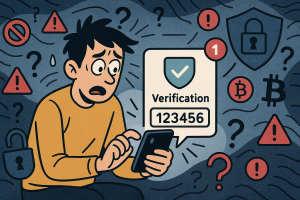
Many e-commerce businesses start with a single idea and a lot of ambition. Unfortunately, that initial energy often overlooks one of the most vital components: security. Before implementing any advanced policies, owners often reported staying awake, worried about hacked customer accounts or compromised payment data.
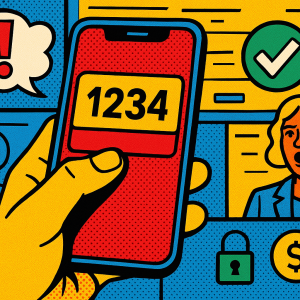
After turning to secure two factor authentication, these worries diminished significantly. By adding a second layer of verification, they closed off easy access points for cybercriminals and reassured their customers that safety is a top priority. Implemented through platforms like Verify Now, this method is fast becoming the industry standard—not just for fraud prevention, but also brand protection.
2. Before: Constant Firefighting—After: Proactive Compliance Planning
Before adopting a security-first mindset, most small e-commerce operations deal with compliance reactively: renewing SSL certificates last minute, scrambling for record-keeping during tax season, or worse—panicking during a data breach investigation.
After embracing digital compliance protocols, these business owners started planning their compliance efforts year-round. They leveraged platforms like Verify Now to automate security audits, track regulatory changes, and prepare incident response protocols. Result? Fewer interruptions, less stress, and fewer fines.
3. Before: Patchwork Security Tools—After: Unified Protection Strategy
Before modernizing their security infrastructure, many store owners used free plugins, disjointed apps, and outdated admin settings to guard sensitive systems. The outcome? Vulnerabilities—and confusion during attacks.
After integrating a suite of secure tools—including secure two factor authentication, SSL management, and endpoint protection—they stopped managing multiple logins and started managing outcomes. A good security partner unifies your ecosystem, turning confusion into control.
4. Before: Reputational Damage—After: Earned Customer Trust
A minor incident—one leaked password or shipment data breach—can dramatically impact customer perception. Many businesses in their early phases couldn’t repair the reputational damage caused by security shortcomings.
After adopting transparent security practices, these same businesses turned their investments into marketing points. They now showcase cyber-resilience as a badge of honor. Framing your platform as “protected by Verify Now secure two factor authentication” distinguishes it among competitors where trust is fickle and loyalty, rare.
5. Before: Stunted Growth—After: Scale-Ready Infrastructure
Scaling a business requires global partnerships, integrations with third-party APIs, and access to customer data across multiple jurisdictions. Without proper compliance structures, this expansion can trigger legal red flags and costly delays.
After embedding security and compliance into their operating models, several ambitious e-commerce owners finally unlocked strategic growth. GDPR, PCI-DSS, and other regulations were no longer blockers—they became tools to enter new markets with confidence.
6. Before: High Turnover—After: Empowered Teams with Security Culture
Without clear security standards, employees in online retail often resort to unapproved tools or unsafe tactics just to get things done. This leads to high-risk exposure and, often, increased staff turnover due to blame culture during breaches.
After fostering a culture of digital accountability, companies reported fewer security incidents and more engaged employees. Onboarding processes included platform training, access levels were role-based, and teams felt both trusted and protected. A secure workplace is a productive one.
7. Before: Short-Term Thinking—After: Long-Term Career Repositioning
Many store owners begin as marketers, designers, or product curators, oblivious to the growing need for in-house security knowledge. They outsource compliance until it becomes too costly or risky to ignore.
After pivoting their role into security-oriented leadership, several entrepreneurs not only safeguarded their business but repositioned their digital careers. These founders are now recognized as thought leaders in digital trust, enhancing both influence and income. In today’s landscape, being known for security integrity is a powerful business asset.
Conclusion
Security isn’t just a line item—it’s a career-defining decision. For e-commerce owners, the move toward heightened compliance and digital protection is no longer optional. It’s the cornerstone of longevity. Each example above showcases the tremendous shift that happens when business leaders stop reacting to threats and start preparing proactively. Platforms like Verify Now offer essential tools—like secure two factor authentication—to make that shift accessible, automated, and effective.
Ready to take your business from vulnerable to vigilant? Claim your free trial today and start building a safer, smarter digital operation.