In today’s digital era, developing a successful app involves more than writing brilliant code—it requires a robust security and compliance strategy to protect both users and the platform. These lessons often surface the hard way: through costly mistakes. In this blog post, we explore a real-world inspired scenario involving a mobile app developer whose authentication process was compromised due to lax phone verification standards. We’ll walk through the possible chain of events, dissect what went wrong, and explore how implementing non VoIP phone numbers could be the key to preventing similar issues in your own applications. Whether you’re an indie developer or part of a larger dev team, this real-life lesson is a must-read for anyone serious about digital security and compliance.
The Scenario: A Messaging App with a Growing User Base
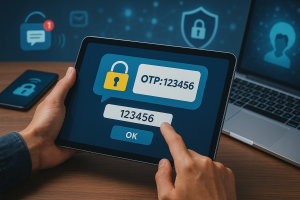
James, an independent mobile app developer, had just launched a minimalist, feature-rich messaging app tailored for university students. With its clean UI and encrypted messaging capabilities, the app quickly gained popularity. To simplify onboarding, James implemented phone number-based authentication using SMS—hoping to bypass the complexity of building a password management system.
To send verification codes, the backend service used a third-party SMS API, which worked flawlessly. The app stored user metadata and phone numbers, validating them only by successfully receiving an SMS. Within a few weeks, tens of thousands of users had signed up.
The First Sign: Spike in Sign-Ups with Unusual Patterns
About a month after launch, James noticed strange activity through his analytics dashboard. Sign-ups spiked during off-peak hours. Intriguingly, many of these new accounts used phone numbers with suspicious area codes, and 95% never logged in again after the initial signup.
Upon further inspection, James discovered a growing number of support complaints about users receiving spam within the app—a clear red flag. He realized some form of abuse or automation had infiltrated his user base. The security breach was not just theoretical; it was user-visible and escalating.
The Root Cause: Accepting VoIP and Disposable Numbers
Digging deeper into account logs and server behavior, James pinpointed the problem: the verification pipeline accepted any phone number that received SMS—whether from a real mobile device or a VoIP platform like Google Voice or Twilio.
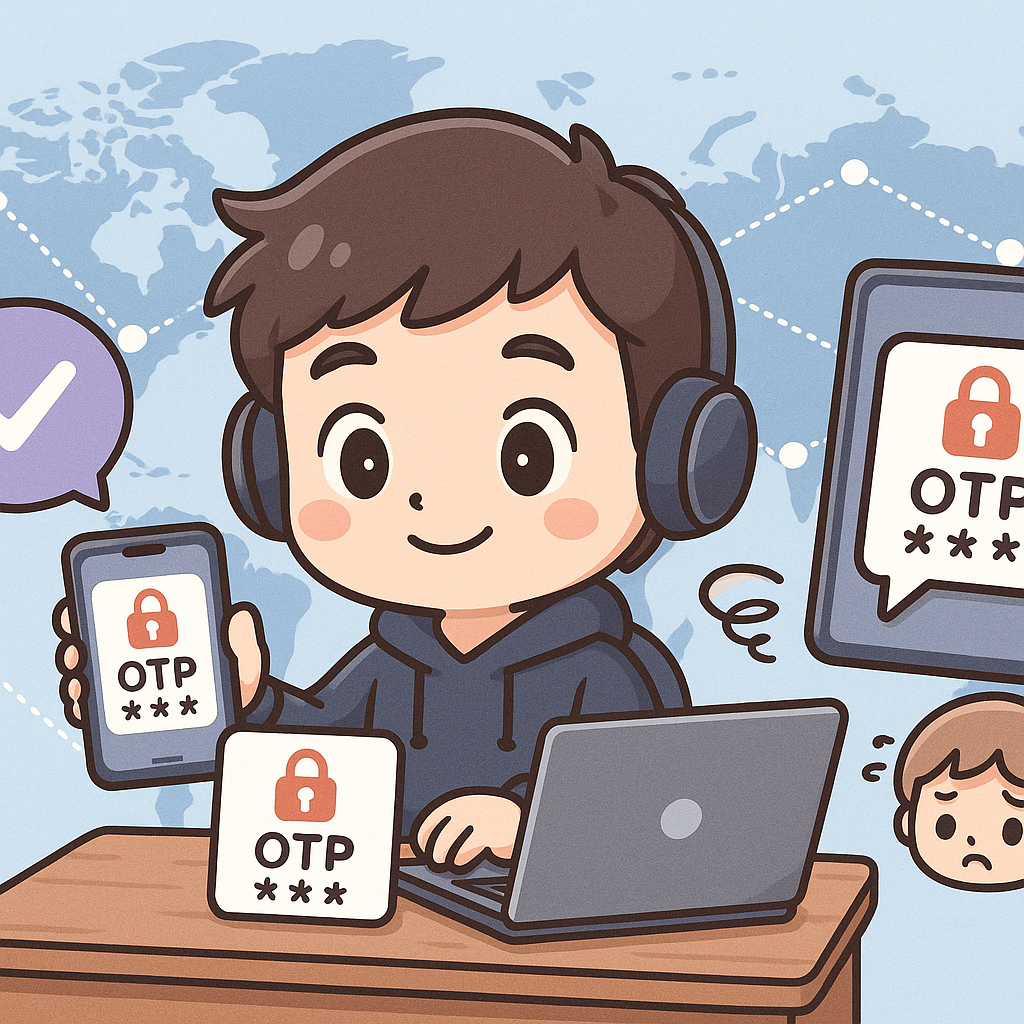
Automated scripts were registering hundreds of fake accounts using free VoIP numbers, made available in bulk. Once registered, these bot accounts began sending links and text spam to real users via the encrypted messaging system—bypassing detection entirely due to encryption protecting their content.
The low barrier of entry—simply acquiring a VoIP number and passing SMS verification—had become a liability. Worse still, James had no way to trace these VoIP-origin accounts, undermining compliance obligations such as KYC (Know Your Customer) in regions with stricter data protection mandates.
The Fix: Introducing Non VoIP Phone Number Verification
James needed a fix—not just a patch, but a sustainable security upgrade that would align with compliance requirements and restore user trust. The solution? Verifying users through non VoIP phone numbers.
Unlike VoIP numbers, which can be generated in minutes and often used anonymously, non VoIP (or mobile carrier-issued) phone numbers tie back to physical SIM cards. They are significantly harder to spoof or automate since they typically require government-issued ID and billing address for activation. This makes them far more reliable for establishing account legitimacy.
With help from a verification partner—like Verify Now—James was able to implement a detection and filtering system that checked each submitted phone number against a global database, ensuring only legitimate, non VoIP numbers could proceed through the verification stage.
Beyond Bot Protection: Gaining Compliance Confidence
By restricting sign-ups to verified non VoIP phone numbers, James’ app regained control over account integrity and significantly reduced bot traffic. But the benefits went beyond just improved security. Aligning user onboarding with stricter controls also bolstered the app’s compliance posture, especially under privacy regulations like GDPR and the Australian Privacy Act, which emphasize secure and traceable user identities.
Non VoIP phone numbers provided an invisible compliance net—unseen to the average user, but critical for ensuring the platform met documentation and traceability standards if audited by data protection authorities or if law enforcement subpoenas specific records.
Lessons for Developers: Start Secure, Stay Scalable
James’ experience illustrates a broader lesson many developers learn too late: bad actors don’t wait for you to scale. They exploit poor verification and authentication systems the moment they find a loophole. And while tools like SMS verification offer convenience, they require thoughtful implementation because not all phone numbers are created equal.
If you’re developing an app that uses phone-based authentication—or thinking of adding it—don’t overlook the distinction between VoIP and non VoIP numbers. It’s not just a technical detail; it defines your security perimeter and affects your compliance obligations.
How Verify Now Can Help
At Verify Now, we specialize in providing real-time phone number intelligence to help app developers filter VoIP numbers from non VoIP ones. Through our easy-to-integrate APIs and personalized support, we empower you to fortify your user onboarding journey and eliminate fraud from day one.
With our service, you can:
- Block registrations from disposable and VoIP numbers
- Identify suspicious activity before it impacts real users
- Build confidence with users and regulators through secure onboarding
Don’t let weak number verification damage your app or reputation. Book a consultation with us today and learn how non VoIP phone numbers can be your first line of defense.
Conclusion: Security Isn’t Optional—It’s Foundational
As James’ experience shows, every line of code in your app carries a security implication. What seems like a small shortcut—accepting any number that receives SMS—can turn into a major vulnerability. Thankfully, there are simple yet powerful tools available to help you verify your users the right way.
Whether you’re launching your MVP or managing an app with millions of users, harnessing non VoIP phone numbers for verification is a crucial step toward a safer, more compliant, and more trustworthy digital experience. Be prepared—start with the right foundation.
Book a consultation today to learn how Verify Now can help secure your app with user verification that works.