As developers, we know all too well the hassle of managing countless verifications for testing, app development, or authentication workflows. The process can feel repetitive, not to mention potentially risky when using personal information. That’s where temporary phone numbers for verification step in—and if you haven’t explored this option yet, I’m here to guide you through it.
Step 1: Identify the Use Case
Before you dive in, first determine why you need a temporary number. Are you testing user registration on a new platform? Need to validate multi-factor authentication flow? Or are you simply aiming to separate dev work from personal digits? Knowing your use case reinforces why temporary phone numbers for verification can save you headaches—and protect your privacy.
Step 2: Choose a Reliable Service
Not all temporary number services are created equal. Look for platforms that provide secure, region-specific, and real-time activations. Services like Verify Now offer developer-friendly tools designed for quick onboarding. You don’t want to be stuck with delays or reused numbers when testing sensitive applications.
Step 3: Integrate With Your Stack
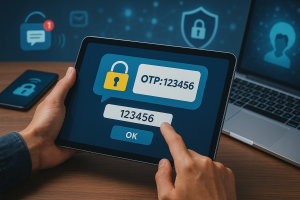
Once you’ve got your temporary number, the next step is using it in your test scripts or app flows. For example, you can manually receive the OTP or confirmation code using Verify Now’s dashboard, or you can integrate with APIs if automation is your game. Either way, you remove personal identifiers from your sandbox environment—a big win for privacy.
Step 4: Track and Clean Up
Don’t just spin up numbers and forget them. Keep track of what each number is used for during testing, and rotate out old numbers when you no longer need them. Temporary numbers mean less data residue accumulating in your development cycle, reinforcing privacy-by-design principles.
Step 5: Share the Practice With Your Team
Encourage other devs on your team to adopt this workflow. Once I started using temporary phone numbers for signups and verifications, bugs became easier to isolate and team members didn’t have to worry about exposing their personal numbers for QA. It’s a minor tweak with major efficiency (and ethical) gains.
Using temporary phone numbers isn’t just about convenience—it’s about control. You protect your identity, clean up your test environment, and keep your development pipeline agile and secure. Your dev process deserves that level of care.
Need more tips like this for devs by devs? Sign up for the Verify Now newsletter and level up your privacy game, one build at a time.