In today’s globally connected workplace, remote work is no longer a trend—it’s the new standard. As more professionals collaborate and transact across digital platforms, verifying one’s identity securely has become an essential part of building trust online. At Verify Now, we understand that the ability to receive verification codes efficiently can make or break smooth digital operations. To help you navigate this evolving landscape, let’s explore the advantages and potential drawbacks of digital identity verification for remote workers.
The Pros of Digital Verification
1. Enhanced Security and Trust
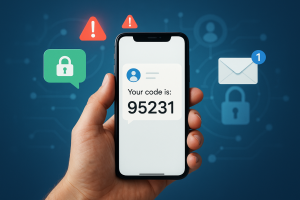
In an age where cyber threats are becoming more sophisticated, digital verification offers a critical layer of protection. Being able to receive verification codes quickly helps remote workers confirm their identities before accessing sensitive data or systems, reducing the likelihood of unauthorized access. This process builds trust between employers, clients, and remote professionals alike.
2. Faster Onboarding and Collaboration
Traditional onboarding can take days or even weeks, particularly when teams are distributed across time zones. Digital identity verification accelerates this process, allowing new hires or contractors to start contributing almost immediately. With platforms like Verify Now, organizations can validate identities in minutes, ensuring that legitimate users gain access without unnecessary delay.
3. Global Accessibility
Remote work transcends borders, and so should verification solutions. With digital verification tools, workers can confirm their identities regardless of location—no need to visit physical offices or mailing centers. This inclusiveness opens up opportunities for companies to engage top talent from anywhere in the world while maintaining compliance with international standards.
4. Convenience and User Experience
Today’s professionals value flexibility. Digital verification allows users to authenticate their identity from a smartphone or laptop seamlessly. Whether it’s logging into a project management tool or signing a contract, the ability to securely receive verification codes ensures a smooth, friction-free experience every time.
The Cons of Digital Verification
1. Dependence on Technology
Digital verification relies on stable internet connectivity, up-to-date devices, and functioning servers. For remote workers operating in areas with limited digital infrastructure, this dependence can occasionally pose challenges. It’s essential that organizations implement backup solutions and support options to minimize disruption.
2. Privacy Concerns and Data Storage
Handling identity data comes with responsibility. Remote workers might worry about how their information is stored, processed, and shared. Companies must ensure compliance with data protection regulations such as GDPR and implement transparent privacy policies to foster confidence in their verification processes.
3. Potential for Human Error
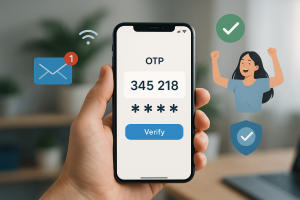
Even sophisticated systems can falter due to user mistakes—such as entering incorrect codes or missing verification prompts. These small errors can delay access or create frustration for busy professionals. However, modern platforms like Verify Now are designed to minimize these issues through intuitive interfaces and smart notification systems.
4. Cost of Implementation for Businesses
While verification technologies save time in the long run, initial setup costs may be a concern for smaller organizations. Companies should approach digital identity investment strategically—evaluating trusted providers that balance affordability with robust capabilities—to ensure long-term value.
Striking the Right Balance
For remote workers and digital businesses, verification is not merely a security requirement—it’s a competitive advantage. The key lies in choosing a solution that maximizes accessibility and reliability while minimizing risk and inconvenience. With Verify Now, professionals can confidently receive verification codes and validate their credentials across platforms, ensuring a seamless and secure experience every time.
Conclusion
Digital verification is redefining the way remote teams connect and collaborate. By weighing its pros and cons carefully, you can build a trustworthy digital presence that fosters confidence and productivity. As the digital workforce continues to grow, having a secure identity verification system isn’t just optional—it’s essential. Start building your verified digital future with Verify Now. Get started today!