In today’s hyper-connected digital marketplace, safeguarding your online store isn’t just a cybersecurity concern—it’s a business imperative. Threats like account takeovers, credential stuffing, and phishing attacks are increasingly targeting e-commerce platforms. For beginners stepping into the world of digital security, one of the most recommended defenses is secure two factor authentication (2FA). But before enabling it across your store, it’s crucial to understand the pros and cons. In this guide, we’ll break down the core benefits and limitations of 2FA to help you make an informed strategic decision for your e-commerce business.
What Is Two-Factor Authentication and How Does It Work?
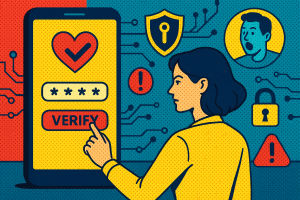
Two-factor authentication adds an extra layer of security during the login process. Instead of relying solely on a password, 2FA requires users to present two types of credentials:
- Something they know (like a password)
- Something they have (like a phone or hardware token) or something they are (biometric data)
This dual-verification approach drastically reduces the chances of unauthorized access—even if a hacker guesses or steals a password.
Pros: Why E-Commerce Owners Should Consider 2FA
1. Enhanced Security for Admin and Customer Accounts
A breached administrator account can spell disaster for an e-commerce operation. Secure two factor authentication defends against phishing attacks and brute-force login attempts, providing a critical second layer of protection that is significantly harder to bypass.
2. Reduced Fraud and Chargebacks
By minimizing unauthorized access, 2FA helps prevent fraudulent orders, thereby reducing costly chargebacks and reputation damage. It ensures only legitimate users can access sensitive information or perform high-risk actions, such as changing payment settings or issuing refunds.
3. Regulatory Compliance Support
Implementing 2FA can help your business meet compliance requirements set by PCI DSS, GDPR, and other data protection guidelines. For platform owners seeking to expand globally, this can be a strategic compliance differentiator.
4. Builds Customer Trust
When customers feel safe creating accounts, saving payment data, and returning to shop again, your conversion rates grow. Enabling secure two factor authentication for customer logins signals your website takes their data seriously, resulting in increased loyalty and credibility.
5. Flexible Integration Options
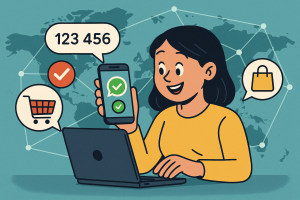
Modern 2FA methods are easy to implement on popular platforms like Shopify, Magento, and WooCommerce. From SMS codes to app-based authenticators and biometric scans, the flexibility of deployment suits various budgets and user experiences.
Cons: What You Need to Watch Out For
1. Potential Friction in User Experience
For both administrators and customers, 2FA introduces a small but noticeable delay in accessing accounts. If not implemented intuitively, these extra steps can discourage repeat customers—especially if they encounter delays or issues receiving codes.
2. SMS Vulnerabilities
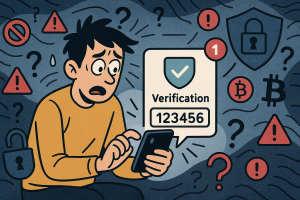
While using SMS as a second factor is convenient and widely adopted, it’s not the most secure option. SIM swapping attacks and interception can compromise this method. Consider app-based authenticators or hardware keys for critical operations.
3. Additional Support Requirements
More security means more customer support queries. Whether it’s a lost phone or login failure, be prepared to handle increased support requests once 2FA is activated. Training your support team is an essential part of the implementation plan.
4. Onboarding Complexity
For smaller merchants or those just getting started, integrating 2FA systems into existing tech stacks can seem complex. Choosing the wrong tool or misconfiguring your setup can lead to both insecurity and inefficiencies.
5. Risk of Lockouts
If users lose access to their second factor (such as losing a phone with the 2FA app), they may be locked out entirely. To mitigate this, it’s important to have robust recovery protocols in place, including backup codes or alternate verification methods.
Choosing the Right Two-Factor Authentication Approach
No 2FA solution is one-size-fits-all. To select the most strategic implementation, consider the following:
- Risk levels: High-value admin access deserves advanced options like hardware tokens or biometric verification.
- User base: If your customer base is less tech-savvy, prioritize simplicity over complexity (SMS or email-based 2FA).
- Platform compatibility: Ensure your e-commerce CMS and plugins support the desired 2FA method.
- Scalability: Think beyond today. Your 2FA setup should scale with projected user growth and shifting threat landscapes.
How to Get Started: A Beginner’s Action Plan
Ready to implement secure two factor authentication? Use this step-by-step action plan:
- Audit your platform: Identify critical user accounts, including admin, vendor, and API access.
- Select a 2FA type: Start with app-based authentication for stronger security than SMS codes.
- Choose a vendor: Consider trusted tools like Google Authenticator, Authy, or Verify Now-verified extensions.
- Implement and test: Run internal testing with your team before rolling it out to customers.
- Educate users: Provide easy-to-understand guides for your customers and emphasize the security benefits.
- Define recovery procedures: Offer backup access codes and clear support options for lockout scenarios.
Conclusion: Strategic Security Starts with Two-Factor Authentication
If you’re serious about defending your e-commerce platform from modern cyber threats, adopting secure two factor authentication is no longer optional—it’s foundational. Though it comes with trade-offs, the benefits in risk reduction, customer confidence, and operational integrity far outweigh the drawbacks. As a digital strategist, it’s your responsibility to lead your business toward smarter, leaner, and more secure operations. So make 2FA your first line of defense—and your customers will thank you for it.
Have you implemented 2FA on your store yet? What challenges did you face? Leave a comment below—we’d love to hear your experience.