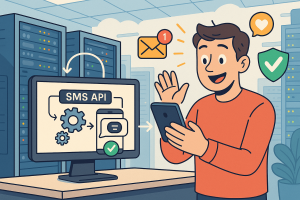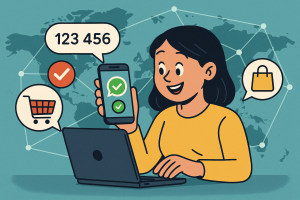
As digital ecosystems become increasingly interconnected, developers worldwide face an ever-growing responsibility to secure user authentication flows. One-Time Passwords (OTPs) have emerged as a cornerstone of secure verification, especially in apps and systems that rely on international users. At verify-now.com, we’ve helped countless developers implement reliable international OTP delivery. In doing so, we’ve fielded tons of recurring questions. This guide compiles those FAQs into a helpful resource so you can build with confidence.
1. Why should I use OTPs for user authentication?
One-Time Passwords add an extra layer of security beyond static usernames and passwords. OTPs are time-sensitive and expire quickly, preventing reuse or interception. Especially in industries like fintech, healthcare, and e-commerce, OTPs are essential for reducing fraud and improving compliance with security standards.
2. What are common OTP delivery methods?
The most widely used options include:
- SMS – fast and accessible, though susceptible to SIM-swapping attacks
- Email – convenient, but slower and less secure
- Authenticator apps – very secure, but requires user onboarding
- Voice calls – useful for accessibility or areas with poor SMS delivery
Choosing the right channel depends on your app’s use case and your audience’s location. When delivering securely across borders, make sure to rely on trusted platforms with proven international OTP delivery capabilities.
3. How can I ensure OTP messages are delivered globally?
This is one of the top concerns we see at verify-now.com. To ensure global delivery:
- Use a provider that supports international routes with high success rates
- Implement automatic retries for failed deliveries
- Adapt message content for different countries to avoid carrier filters
- Monitor delivery analytics and optimize based on regional performance
International OTP delivery can be tricky due to carrier restrictions and varying compliance rules. That’s why working with a platform that specializes in global reach is crucial.
4. How do I securely handle OTP generation and storage?
Here are best practices for generating and managing OTPs:
- Use cryptographically secure random generators
- Limit OTP lifespan (30-60 seconds is ideal)
- Store OTPs temporarily, and use hash comparison techniques
- Log authentication attempts to detect abuse
When it comes to user trust, even milliseconds matter. Your backend needs to be built for both speed and protection.
5. What’s the best retry policy for failed OTPs?
Retries should balance user experience and system security. We usually suggest:
- Max 3 attempts per OTP before requiring a new code
- Cool-off period after repeated failures (5–10 minutes)
- Inform users clearly why a resend was blocked
Also, avoid flooding users with multiple OTPs—they could expire out of order, causing confusion and failed logins.
6. Can OTPs help with compliance requirements like GDPR or PSD2?
Yes. OTPs are frequently part of multi-factor authentication (MFA) strategies required by international regulations:
- GDPR – mandates secure user verification as part of data access controls
- PSD2 – requires Strong Customer Authentication, often achieved with OTPs
- HIPAA – OTPs aid in protecting electronic health records (EHRs)
Whether you’re building in Europe or beyond, OTP implementation helps you stay compliant and protects against costly legal and reputational damage.
7. How can I test international OTP delivery during development?
Great question! Here are practical tips:
- Use test numbers from real international SIMs in different countries
- Work with a vendor who offers sandbox environments
- Simulate slow networks and delivery failure scenarios
Don’t wait until production to discover delivery problems in Argentina or India. Comprehensive real-world testing saves headaches later.
8. What tools or APIs should I consider?
Look for platforms offering:
- Industry-proven OTP APIs
- Global delivery coverage
- Developer-friendly documentation
- Customizable message templates
- Usage tracking and delivery insights
At verify-now.com, we provide streamlined, developer-first tools designed to scale your security across borders.
9. Should I customize OTP messages?
Yes! Crisp, user-friendly messages increase trust and reduce support tickets. Follow these tips:
- Keep the OTP code early in the message
- Localize language and timezone where possible
- Avoid marketing content—stick to security
Example: “Your Verify Now code is 842391. It will expire in 60 seconds.”
10. What if my users still report not receiving OTPs?
First, verify numbers are formatted correctly and from real regions. Then:
- Check logs for delivery errors or timeouts
- Explore secondary delivery channels (email fallback)
- Encourage users to whitelist your sender number
Global delivery comes with inevitable hiccups. Proactively offering alternatives helps minimize drop-offs and frustration.
Bonus Tip: Don’t ignore feedback. Users will usually tell you where the process is failing—treat that as your most valuable QA tool.
Ready to Implement International OTP Delivery With Confidence?
Building a robust and secure OTP flow isn’t just good security hygiene—it’s essential for scaling applications globally. With a solid understanding of these common developer questions and answers, you’re better equipped to design seamless authentication flows that protect users across borders.
Found these answers helpful? Don’t keep it to yourself—share this post with your network to help other developers build safer apps worldwide.