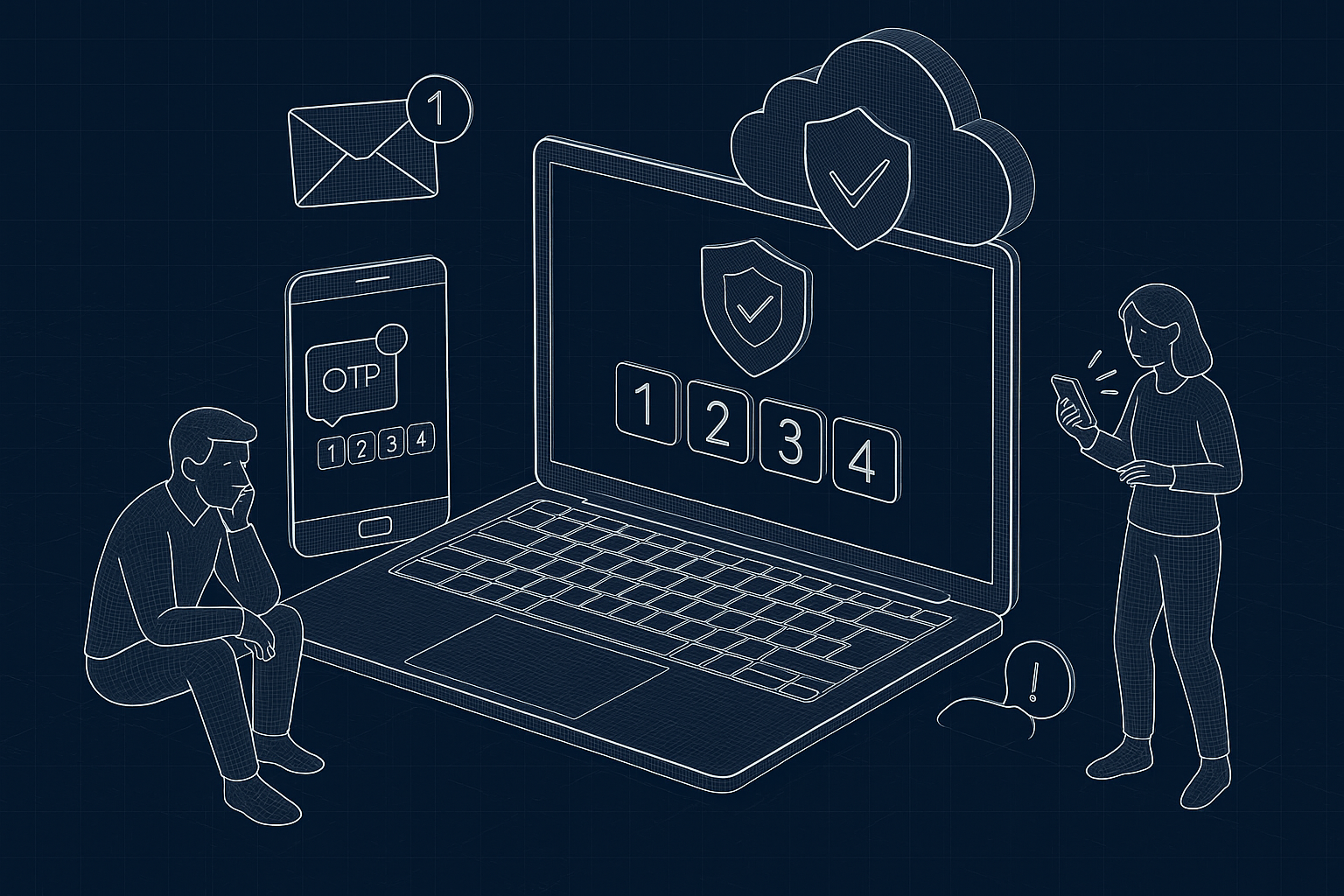
As cybersecurity professionals, we know that trust begins at account creation—and verification is your first line of defense. In an age of proliferating bots, synthetic identities, and disposable numbers, your choice of phone number authentication method can make or break your identity assurance pipeline. In this article, we’ll dive into the verifiable benefits of using non-VoIP phone numbers versus VoIP services for user verification, backed by real-world data and security insights.
1. Greater Resistance to Fraud: A Verified Foundation
According to a 2023 report from Aite-Novarica Group, nearly 78% of automated fraud attempts in financial services originated from VoIP-based accounts. VoIP numbers are easy to generate at scale, making them the weapon of choice for fraudsters. In contrast, non-VoIP phone numbers are tied to real SIM cards and mobile networks, adding a layer of physical-world verification that’s difficult to spoof.
2. Improved User Identity Assurance
Identity verification relies on more than just one factor—it’s a risk-weighted matrix. Non-VoIP numbers have proven to provide more consistent metadata, such as carrier information and line type, which supports improvements in fraud scoring models. Platforms using non-VoIP verification saw a 26% increase in successful KYC validations (source: Juniper Research, 2022).
3. Reduced Spam and Fake Account Creation
Platforms using VoIP verification report a higher incidence of bot-generated accounts bypassing SMS verification. Non-VoIP number verification creates a monetary barrier via mobile carrier costs, discouraging mass account creation. This leads to a cleaner user base, with one provider seeing a 40% drop in fake registrations after switching exclusively to non-VoIP verification.
4. Better Regulation Compliance
Many privacy and data regulations, including GDPR and CCPA, emphasize the importance of secure authentication. Non-VoIP numbers provide traceability and tie accounts to physical devices and verified carriers, helping you stay compliant. This is critical for industries handling sensitive data, where accountability is essential.
5. Superior Delivery Rates for SMS and Voice OTPs
Ever had a one-time password never land in the recipient’s inbox? VoIP numbers often suffer from low deliverability due to carrier-level fraud filtering. Non-VoIP numbers have 16% higher SMS and voice OTP delivery success rates on average (source: Twilio Developer Report, 2023), improving your user experience and trustworthiness.
Whether you’re securing financial transactions, verifying new accounts, or fortifying KYC processes, non-VoIP phone numbers offer provable security advantages that VoIP can’t match. It’s not just about getting a code—it’s about ensuring the person receiving it is who they claim to be.
Need to scale your verification process with confidence? Verify Now specializes in reliable, carrier-verified non-VoIP phone numbers optimized for enterprise identity solutions.
Request a quote today and see how secure your verification journey can be.