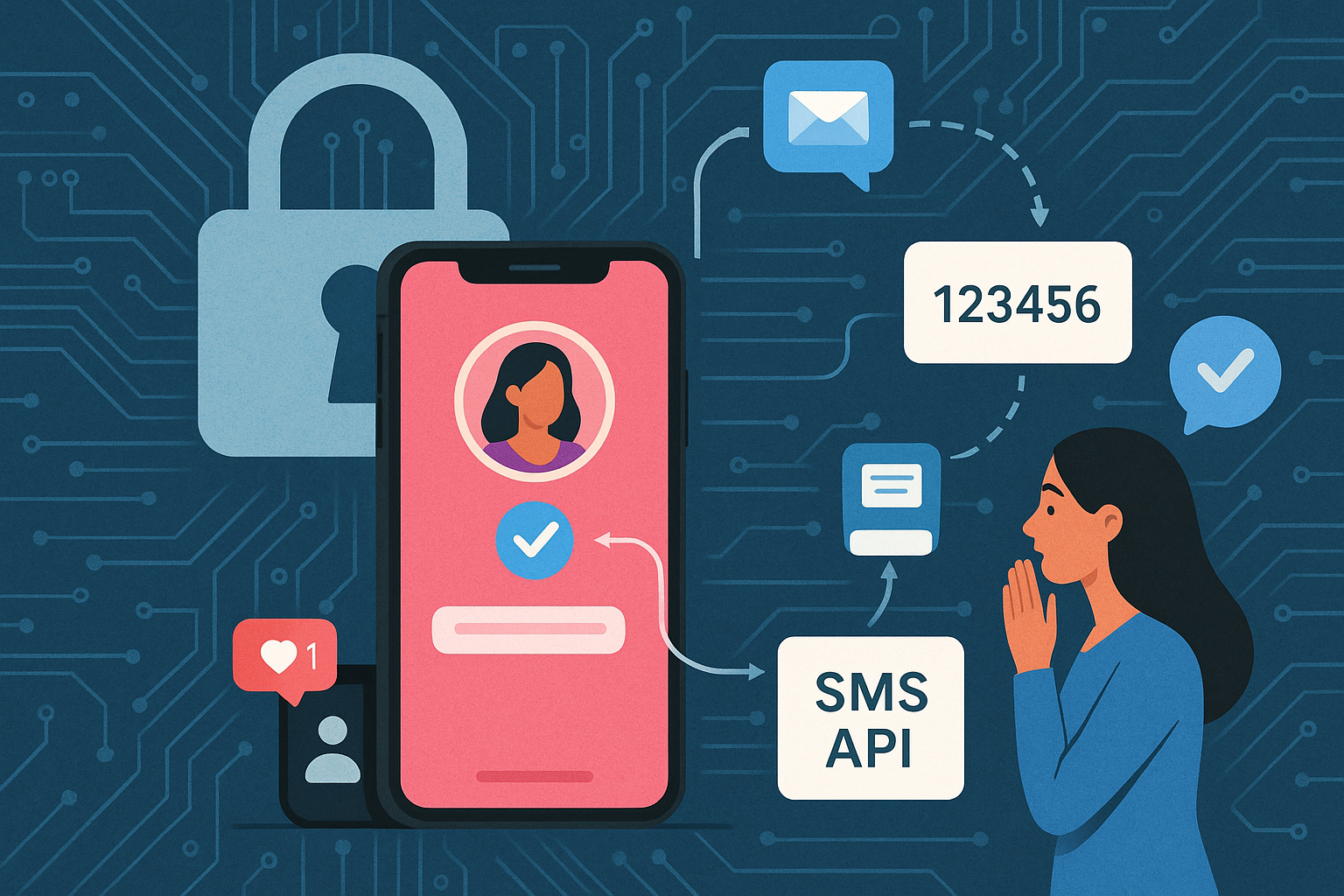
Meeting someone through a dating app can feel exciting, but it also means making decisions about trust before you know another person well. Is a profile genuine? Is the person using someone else’s photos? Should you share your phone number, social media account, or location? Dating platforms use several verification methods to answer these questions, and each option has different strengths and limitations. This comparison explains the most common approaches—from basic profile badges to third-party identity checks—so you can make safer, more informed choices without turning every conversation into an investigation.
Why verification matters on dating apps
Dating apps are digital environments, but the risks are very real. Fake profiles, romance scams, impersonation, harassment, and stolen images can affect anyone, whether you are searching for a serious relationship or simply meeting new people. A verification process cannot guarantee that someone is trustworthy, but it can make deception more difficult and give users better information before they decide to continue a conversation.
For freelancers and other people who work online, this is especially familiar territory. We already protect invoices, client accounts, passwords, and professional profiles. Dating apps deserve the same practical mindset. Your digital identity includes more than your name. It can involve your photographs, email address, phone number, location, social profiles, payment information, and the personal details you share in conversation.
The key point is simple: verification is not one single technology. It is a range of checks with different levels of reliability, privacy, and convenience.
Option one: Basic email or phone verification
Many dating apps begin with a basic check: you provide an email address or phone number and confirm a code sent to you. This is useful for stopping some automated accounts and making it harder to create large numbers of profiles quickly.
Advantages:
- Quick and easy to complete.
- Usually free for users.
- Helps confirm that an account is connected to a working contact method.
- Can reduce some spam and automated activity.
Limitations:
- It does not prove that the person is using their real name.
- It does not confirm that profile photos belong to the user.
- Temporary email addresses and phone numbers may still be used.
- A scammer can sometimes take control of another person’s account.
This option is best viewed as an account-access check, not an identity check. A profile with a verified phone number may belong to a real person, but it does not necessarily tell you who that person is or whether their intentions are genuine.
Option two: Social media or platform-connected verification
Some apps allow users to connect an account from another platform, such as a social network or music service. The idea is that an established online presence may provide additional context. You might see whether a profile has existed for a while, whether photographs appear consistently, or whether the account shows normal activity.
Advantages:
- Can add context beyond a single dating profile.
- May make it harder to create a completely empty or disposable account.
- Can help users spot inconsistencies between profiles.
Limitations:
- Social accounts can also be hacked, copied, or fabricated.
- Some users have little or no public social media presence.
- Connecting accounts may reveal more personal information than intended.
- Different platforms may use different names, privacy settings, or photographs.
This approach can be useful for background context, but it should not be treated as definitive proof. A long-standing social profile is not a substitute for good judgment, and the absence of one is not evidence that someone is unsafe. Privacy-conscious people may deliberately keep their personal and dating lives separate.
Option three: Selfie or photo verification
Photo verification usually asks a user to take a selfie while copying a pose or gesture shown by the app. The system then compares the selfie with the profile photographs. In some cases, automated tools review whether the image appears live rather than copied from a static file.
Advantages:
- Can help identify profiles using stolen or heavily altered photos.
- Usually takes only a few minutes.
- Provides a visual connection between the current user and the profile images.
- Can discourage casual impersonation.
Limitations:
- It may not confirm a person’s legal name or age.
- Facial recognition and biometric data raise privacy questions.
- Automated systems are not perfect and can make errors.
- A verified photo does not guarantee honest behavior.
For users, the most important question is how the app handles the selfie. Before completing the process, check the platform’s privacy information. Look for details about retention, deletion, third-party access, biometric processing, and whether the image is used only for verification. A verification badge is useful, but the data behind it also needs protection.
Option four: Government ID verification
Government ID verification is a stronger form of identity checking. Depending on the service, a user may be asked to upload a passport, driver’s licence, or national identity document, sometimes alongside a live selfie. The system may check document security features, compare the face to the ID photo, and confirm that the document appears valid.
Advantages:
- Can provide stronger evidence of a person’s identity and age.
- May help prevent duplicate, underage, or impersonated accounts.
- Can support safer access to age-restricted features.
- Often creates a more reliable audit trail for the platform.
Limitations:
- Users must trust the provider with highly sensitive information.
- Not every country uses the same identity documents or verification standards.
- Errors can occur when documents are damaged, expired, or difficult to scan.
- Identity verification confirms certain details; it does not certify someone’s character.
From a security and compliance perspective, the provider’s handling of identity data matters as much as the check itself. Look for clear information about encryption, access controls, data minimisation, retention periods, deletion requests, and compliance with relevant privacy laws. A responsible provider should collect only what is necessary and explain why it is needed.
Option five: Third-party digital identity verification
Some dating platforms use a specialist verification provider rather than building every identity check themselves. This can include document validation, biometric comparison, liveness detection, age estimation, fraud screening, and secure confirmation that a user passed a particular check.
In a well-designed system, the dating app may not need to store a full copy of your ID. Instead, it may receive a confirmation such as “identity verified” or “over the required age.” This approach can support data minimisation, because the platform receives the result it needs without necessarily holding every underlying document.
Advantages:
- Specialist providers may have dedicated fraud, security, and compliance expertise.
- Verification can be applied consistently across multiple platforms or services.
- Users may have more control over what information is shared.
- Tokenised or reusable credentials can reduce repeated document uploads.
Limitations:
- Users must understand both the dating app’s policy and the provider’s policy.
- Third-party processing creates another organisation in the data chain.
- Not all providers offer the same security controls or privacy protections.
- A verification result may have a limited scope and expiry date.
This is where a trusted digital identity service can make a practical difference. The strongest systems aim to verify the right information, share as little as possible, and give users a clear explanation of what happens to their data. If you are evaluating a service such as verify-now.com, review its security and privacy information before you begin, just as you would with any provider handling identity documents.
How the options compare
There is no universal “best” verification method. The right option depends on what the dating app needs to establish and what you are comfortable sharing. Basic email or phone checks offer the lowest barrier to entry, but they provide limited assurance. Social account connections add context, although they can expose more personal information. Selfie checks help connect a person to their photos, while government ID and third-party digital identity checks can offer stronger evidence of age and identity.
A useful rule of thumb is to match the level of verification to the level of risk:
- For casual browsing: phone, email, and photo checks may be a reasonable starting point.
- Before sharing sensitive details: look for a platform that applies stronger identity and fraud controls.
- Before meeting in person: use independent safety steps as well as any verification badge.
- For age-sensitive services: prefer clear, privacy-conscious age and identity checks.
Remember that a verification badge is one signal, not a final verdict. Someone can pass an identity check and still behave dishonestly, aggressively, or manipulatively. Verification should support your judgment, not replace it.
Practical safety tips for dating app users
Read the verification explanation. Do not rely solely on a badge. Find out what was checked, when it was checked, and whether the check applies to identity, age, photographs, or account ownership.
Check the provider’s privacy practices. Before uploading an ID or selfie, look for information about encryption, retention, deletion, biometric processing, and third-party sharing. Avoid sending identity documents through ordinary chat unless the platform specifically instructs you to use a secure verification flow.
Keep conversations inside the app at first. Scammers often try to move conversations quickly to private messaging services, where platform safety tools and reporting options may not apply. Take your time before sharing your personal number, workplace, home address, or financial information.
Watch for inconsistencies. Be cautious if someone’s age, location, work history, photographs, or communication style changes repeatedly. Reverse image searches and video calls may provide additional context, but neither is perfect and both should be used respectfully.
Never send money to someone you have not met safely. Urgent stories involving travel, medical bills, investments, gift cards, or account problems are common warning signs. A verified identity does not make a financial request legitimate.
Plan a first meeting carefully. Choose a public place, tell a trusted person where you are going, arrange your own transport, and consider using a check-in message or safety feature. If something feels wrong, leave. You do not owe anyone a second chance because their profile is verified.
Report suspicious behavior quickly. Save relevant messages, use the app’s reporting tools, and contact local authorities if you face threats, stalking, fraud, or immediate danger. Prompt reporting can protect other users as well as you.
What a responsible verification service should offer
Whether verification is provided by a dating platform or an external company, look for a few basic standards. The service should explain its process in plain language, use appropriate security controls, limit access to sensitive information, and avoid collecting data simply because it might be useful later. It should also provide a way to correct inaccurate information, request deletion where applicable, and contact support when a verification decision is wrong.
Good compliance is not just a legal checkbox. It should be visible in the user experience. You should know what you are agreeing to, what information is required, how long it will be kept, and who may receive it. If those answers are difficult to find, treat that as a reason to pause.
Conclusion
Dating app verification can make online introductions safer, but different methods offer different levels of confidence. Email and phone checks confirm access to a contact method; social connections provide context; photo checks connect a person to their images; and government ID or third-party digital identity verification can offer stronger evidence of age and identity. The safest approach combines sensible verification with privacy awareness, slow decision-making, and practical meeting precautions. If you want to explore a more secure approach to digital identity, visit verify-now.com and get started today!