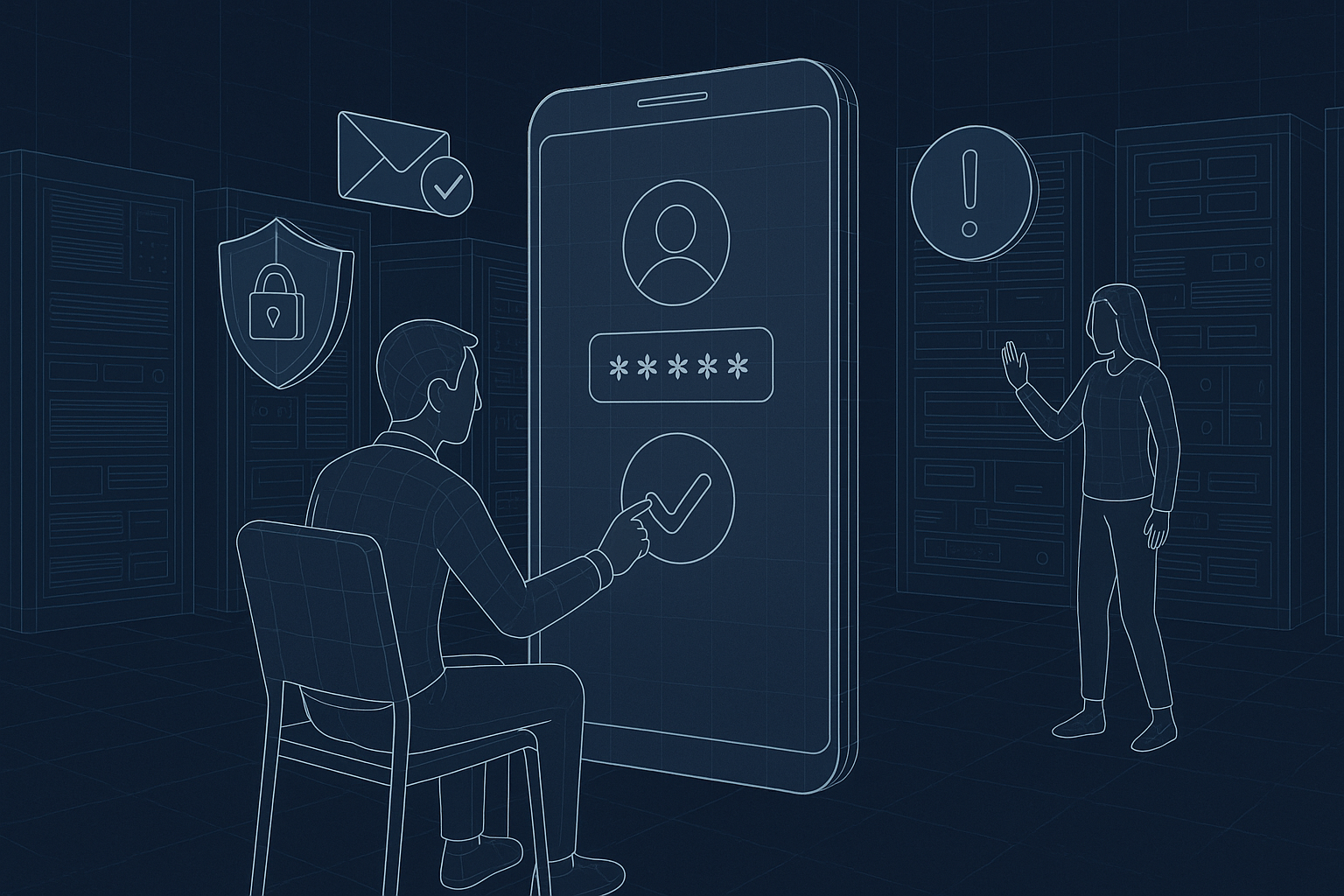
In today’s fast-paced online world, signing up for apps and digital services has become second nature. From food delivery platforms to online banking, all it takes is a few clicks and—voila!—you’re in. But with this convenience comes a pressing concern: how do you protect your digital identity? If you’re new to managing your online presence and feeling overwhelmed, don’t worry. Like a friendly mentor, I’ll walk you through the basics of keeping your digital self safe while still enjoying the best the web has to offer. Let’s make the digital world work for you—not against you.
What Is Your Digital Identity?
Before we dive into the how-to part, it’s key to understand what we’re protecting. Your digital identity is a collection of personal data and online activity that defines who you are in the digital sphere. This includes things like your name, email address, age, login credentials, payment information, and even your online behavior.
Each time you sign up for a new service or app, you’re adding more pieces to that identity. If not handled carefully, these pieces can be exploited by cybercriminals. So, protecting your digital identity is really about protecting you.
Why Sign-Up Security Matters
We’ve all fallen for the ease of “Just sign in with Google or Facebook.” It’s fast and convenient, right? But shortcuts can come with risks. When you use a social sign-in option, you may be unknowingly giving app developers access to more of your data than you realize. Multiply that by the number of apps you use, and you’ve got a data trail that’s tricky to manage.
That’s why practicing some simple security habits during sign-up can go a long way toward protecting your digital identity and keeping your online life running smoothly.
Step 1: Use Strong, Unique Passwords Every Time
This one’s basic, but it matters. Still, so many people use the same poorly crafted password across multiple accounts. If a cybercriminal cracks even one of those, they can potentially access them all.
Instead, use a password manager to generate and store unique, strong passwords for each account. These tools can generate randomized passwords that are virtually impossible to guess and help you avoid the stress of remembering them all yourself.
Step 2: Avoid Oversharing Your Personal Info
When signing up for a service, apps often ask for more data than they actually need. While your name and email address might be essential, your birthdate, gender, or phone number might not be.
Stick to the bare minimum input required to get your account running. Remember, the less data you share, the smaller your digital footprint—and the harder it becomes for hackers to piece together your profile.
Step 3: Enable Two-Factor Authentication (2FA)
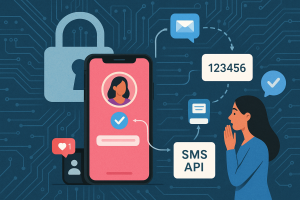
Two-factor authentication adds a strong extra layer of security. Even if someone gets hold of your password, they won’t be able to log in without a second form of verification—like a temporary code sent to your phone.
Most trustworthy apps and services now offer 2FA, so be sure to turn it on whenever it’s available. It’s one of the simplest and most effective ways to protect your digital identity.
Step 4: Read Privacy Policies (At Least the Important Bits)
We get it—privacy policies are long and riddled with legal jargon. But those documents often reveal important information about how your data will be used, stored, and shared.
Look for key indicators: Does the service collect more data than needed? Does it resell your info to third parties? Are you able to request data deletion later? Getting familiar with these points helps you make smarter decisions about which services actually respect your digital identity.
Step 5: Use Trusted Identity Verification Services
When dealing with sensitive platforms—like financial services, healthcare portals, or government apps—it’s worth choosing services that take identity verification seriously.
Solutions like Verify Now are built to ensure safe and efficient sign-up processes that protect your information. They help you verify your identity with respect and privacy top of mind. This way, you know your personal details aren’t floating around unprotected in cyberspace.
Step 6: Check for HTTPS and Trusted Platforms
Always make sure the website you’re signing up for is secure. You can do this by checking for the HTTPS prefix in the URL (the “s” means secure). Shady-looking sites or pop-up-heavy apps that redirect you multiple times are big red flags.
Stick to platforms that are well-reviewed and well-supported. If you’re ever in doubt, a quick search for reviews or user feedback can steer you away from potential security disasters.
Step 7: Regularly Review and Prune Your Accounts
Over time, it’s easy to accumulate dozens—even hundreds—of online accounts. Some of them you may never use again. Each abandoned profile is an unnecessary risk waiting to happen.
Take time once or twice a year to review the accounts you’ve created. Delete or deactivate any obsolete ones. This minimizes your exposure and keeps your digital identity streamlined and secure.
Step 8: Educate Yourself and Stay Updated
The digital world is constantly evolving, and so are the tactics of cybercriminals. Take time to stay informed about common scams, phishing attacks, and the latest best practices in cybersecurity.
This doesn’t mean you need to become a tech expert. Even reading posts like this one already puts you ahead of the curve. Knowledge is power—especially when protecting what’s yours.
Step 9: Use a Digital Identity Management Solution
Still feeling unsure about juggling all this on your own? You’re not alone, and the good news is that there are companies like Verify Now built to help you manage and protect your digital identity from sign-up to ongoing use.
Rather than staying reactive about security, take a proactive approach. Letting a trusted identity partner handle the heavy lifting can give you peace of mind while you focus on enjoying your digital life.
Final Thoughts: Simpler Sign-Ups, Smarter Protection
With a bit of attention and care, signing up for new apps and services doesn’t need to compromise your safety or peace of mind. By following the tips we’ve covered—choosing strong passwords, enabling 2FA, minimizing data sharing, and working with trusted platforms—you can make smarter, safer choices that protect your digital identity.
Ready to take control of your digital life? Get started today with solutions designed to keep your information safe while making online access effortless. The future of sign-ups is secure—and it starts with you.