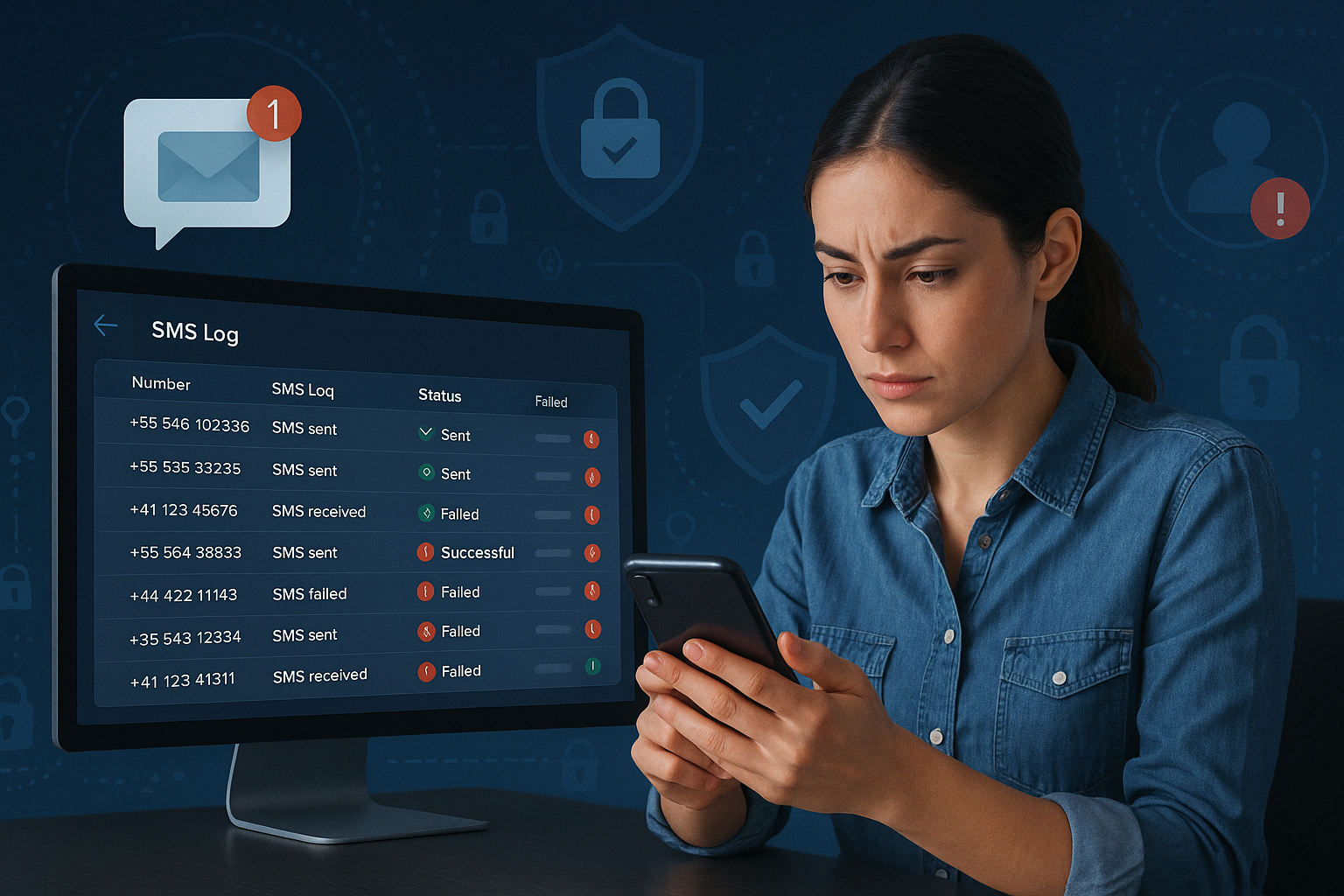
Modern digital life depends on mobile numbers. We use them to create accounts, receive one-time passwords, recover forgotten credentials, confirm payments, and communicate with services across borders. Yet relying on one personal number for every online interaction can create unnecessary exposure, inconvenience, and security risk. A second mobile number offers a practical way to separate personal communication from digital verification while supporting more disciplined privacy and account-management habits. For international service users, this distinction is especially valuable: different platforms, jurisdictions, and compliance requirements may demand reliable access to phone-based verification. In this listicle, we examine ten everyday situations in which a dedicated number can provide a more secure and manageable solution, and how Verify Now can help users approach digital verification with greater confidence.
1. Protecting Your Primary Number During Online Registration
Many websites and applications request a mobile number during registration. Although this step may be intended to confirm that an account belongs to a real person, users cannot always determine how their information will be stored, shared, or retained. Providing a primary number to every service increases its circulation across databases and communication systems.
A second mobile number creates a useful boundary. It can be assigned to registrations, trial services, newsletters, marketplaces, and other platforms that require verification but do not need access to your principal line. This separation does not eliminate the need to assess a service’s privacy policy, but it significantly improves control over where your most personal contact information is used.
2. Reducing the Impact of Data Exposure
Data breaches remain an everyday reality of the digital economy. Even organizations with strong security programs may experience unauthorized access, and users often have limited influence over the security of third-party systems. When a phone number appears in a leaked dataset, it may be targeted with spam, phishing messages, social-engineering attempts, or fraudulent account-recovery requests.
Using a dedicated number for selected online activities can reduce the number of services connected to your primary identity. This is a form of risk compartmentalization: rather than allowing one contact point to link every aspect of your digital life, you create separate channels for different purposes. Verify Now supports this more considered approach by helping users access verification-oriented services without treating their main number as the default answer to every digital request.
3. Managing One-Time Passwords More Effectively
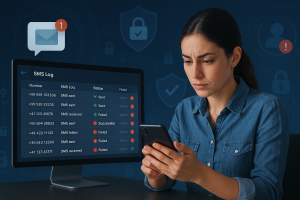
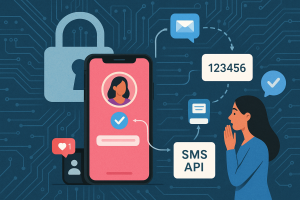
One-time passwords, commonly called OTPs, are widely used as an additional authentication factor. A service may send a temporary code by SMS to confirm a login, authorize a transaction, or complete a registration. However, when verification messages arrive alongside personal calls, work notifications, and family communications, important codes can be overlooked or confused.
A second mobile number can establish a dedicated channel for verification messages. This makes it easier to identify authentication codes, review the services that are sending them, and recognize suspicious activity. If an unexpected OTP arrives, it may indicate that someone is attempting to access an account or initiate a password reset. A separate number therefore improves not only convenience, but also the user’s ability to notice unusual behavior.
4. Separating Work, Personal, and Service-Related Communication
International service users frequently move between professional platforms, financial applications, travel services, e-commerce sites, and personal communications. Placing all of these interactions on one number can make digital administration unnecessarily complex. Important business messages may be buried beneath promotional notifications, while personal contact details may be exposed to platforms that are used only temporarily.
A second mobile number supports a clearer structure. One number can remain reserved for close contacts and essential personal services, while another can be used for work-related registrations, digital platforms, or short- and medium-term projects. This division is particularly useful for freelancers, entrepreneurs, remote workers, and users who operate across more than one country or market.
5. Supporting Safer Marketplace and Classified Transactions
Online marketplaces make it easier to buy and sell goods, arrange services, and communicate with people outside an established network. They also create situations in which users may need to share contact information with strangers. After a transaction is completed, however, the other party may continue to call or message the number that was provided.
A second mobile number helps limit this ongoing exposure. Users can communicate with buyers, sellers, contractors, or temporary contacts without immediately disclosing the number connected to family, employment, and long-term accounts. This is not a substitute for sensible transaction practices, such as avoiding suspicious links and confirming payment independently, but it adds a meaningful layer of privacy to everyday commerce.
6. Improving Account Recovery and Identity Management
Phone numbers often play a central role in account recovery. If a user loses access to an email account or forgets a password, a verification code may be sent by SMS. This can be helpful, but it also means that a compromised or recycled number may create complications. Number changes, international travel, and inconsistent access to a local network can further complicate recovery procedures.
A carefully managed second number can serve as a dedicated contact point for selected accounts and verification workflows. Users should always follow the recovery requirements of each service and maintain secure backup methods, but separating account-related messages from ordinary communication can make it easier to monitor recovery activity. It also encourages a valuable habit: reviewing which accounts are connected to which contact methods instead of allowing those connections to accumulate unnoticed.
7. Supporting International Travel and Cross-Border Services
International users often encounter regional differences in registration, authentication, and customer support. A platform may require a number associated with a particular country, while a traveler’s usual SIM card may be inaccessible, expensive to use abroad, or unsuitable for receiving local messages. These challenges can delay access to essential services and create avoidable frustration.
A second mobile number may provide greater flexibility when used in accordance with the platform’s terms and applicable laws. It can help users organize verification needs for travel bookings, temporary services, international platforms, and cross-border projects. Verify Now is designed for users who need a more structured approach to digital verification, helping them navigate these everyday requirements with greater clarity and confidence.
8. Limiting Unwanted Marketing and Automated Calls
Mobile numbers are frequently collected for purposes that extend beyond the original reason for registration. A number provided to download an application or request information may later receive promotional messages, automated calls, or repeated marketing communications. Even when users can unsubscribe, the process may be time-consuming and inconsistent across jurisdictions.
Using a second mobile number for non-essential registrations can reduce disruption to the primary line. It provides a clearer way to distinguish essential personal communications from promotional activity. Users should still read consent notices and adjust communication preferences wherever possible, because privacy is strengthened by both technical separation and informed decision-making.
9. Creating Better Boundaries for Temporary Projects
Many digital interactions are temporary. A user may participate in an online course, join a professional event, test a software product, manage a short-term rental, or coordinate a limited-duration project. Sharing a permanent personal number for each temporary activity can create a long-term trail of contacts that no longer serve a purpose.
A dedicated number offers a practical boundary for these situations. It can be used for the duration of a project and reviewed afterward. This approach makes digital housekeeping more manageable because users can identify which communications are associated with temporary activity. It also reduces the likelihood that old contacts, automated systems, or unfamiliar parties will continue to reach a personal line long after the original interaction has ended.
10. Building a More Disciplined Security and Compliance Routine
Security is not achieved through one tool alone. It is the result of repeated, informed behaviors: using strong and unique passwords, enabling multifactor authentication, verifying links before opening them, monitoring account activity, and limiting unnecessary data disclosure. A second mobile number fits naturally within this broader framework.
From a compliance perspective, separation can also support more responsible information handling. Organizations and individuals often need to understand why contact data is collected, where it is used, and how long it should be retained. A dedicated verification number makes those questions easier to answer. It can help distinguish operational communication from personal communication and encourage a more purposeful approach to data minimization.
How Verify Now Helps Make the Process Simpler
The value of a second mobile number depends on reliable access and responsible use. Users need a solution that is clear, practical, and suited to real digital workflows. Verify Now helps address this need by providing a verification-focused service for people who want greater flexibility when managing online registrations and authentication requirements.
Rather than treating phone verification as an afterthought, Verify Now supports a more deliberate identity-management strategy. Users can use a dedicated contact channel where appropriate, reduce unnecessary exposure of their primary number, and organize verification-related communications more effectively. As with any digital service, users should comply with platform rules, avoid misrepresentation, and never use verification tools for fraud, abuse, or unauthorized access.
Best Practices for Using a Second Mobile Number
To gain the greatest benefit, users should combine a second mobile number with sound security practices. The following principles are especially important:
- Use it purposefully. Decide which services require the second number and avoid sharing it indiscriminately.
- Protect access to the number. Secure the associated account and any device or dashboard used to receive verification messages.
- Never share one-time passwords. Legitimate support representatives should not ask for authentication codes that were sent to you.
- Review connected accounts. Periodically identify which platforms use the number and remove it where it is no longer necessary.
- Respect service requirements. Use verification services only in ways permitted by the relevant platform, law, and compliance framework.
- Maintain alternative recovery methods. A second number should complement, not replace, secure email, authenticator applications, backup codes, or other approved methods.
In a digital environment built on constant registration, authentication, and communication, users deserve practical ways to protect their privacy without sacrificing access. A second mobile number can reduce exposure, clarify account activity, support international use, and create healthier boundaries between personal identity and everyday online services. Verify Now offers a focused solution for those who want to manage verification more deliberately and strengthen their digital habits. Get started today!