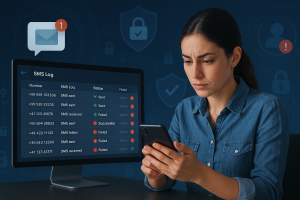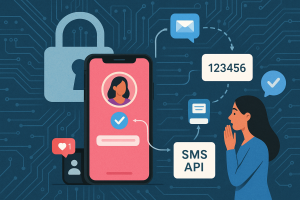
Mia loved sharing moments online. From travel vlogs to quick status updates, her social media profiles were her digital home. But one afternoon, her account unexpectedly locked her out. A stranger had somehow gained access, triggering security alerts she never noticed before. That day, Mia discovered the true value of digital privacy—and how a simple habit like verifying her accounts securely could have saved her from days of stress.
The Scare That Sparked a Lesson
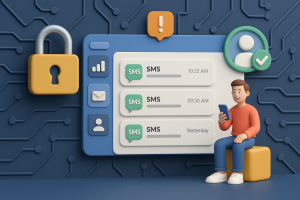
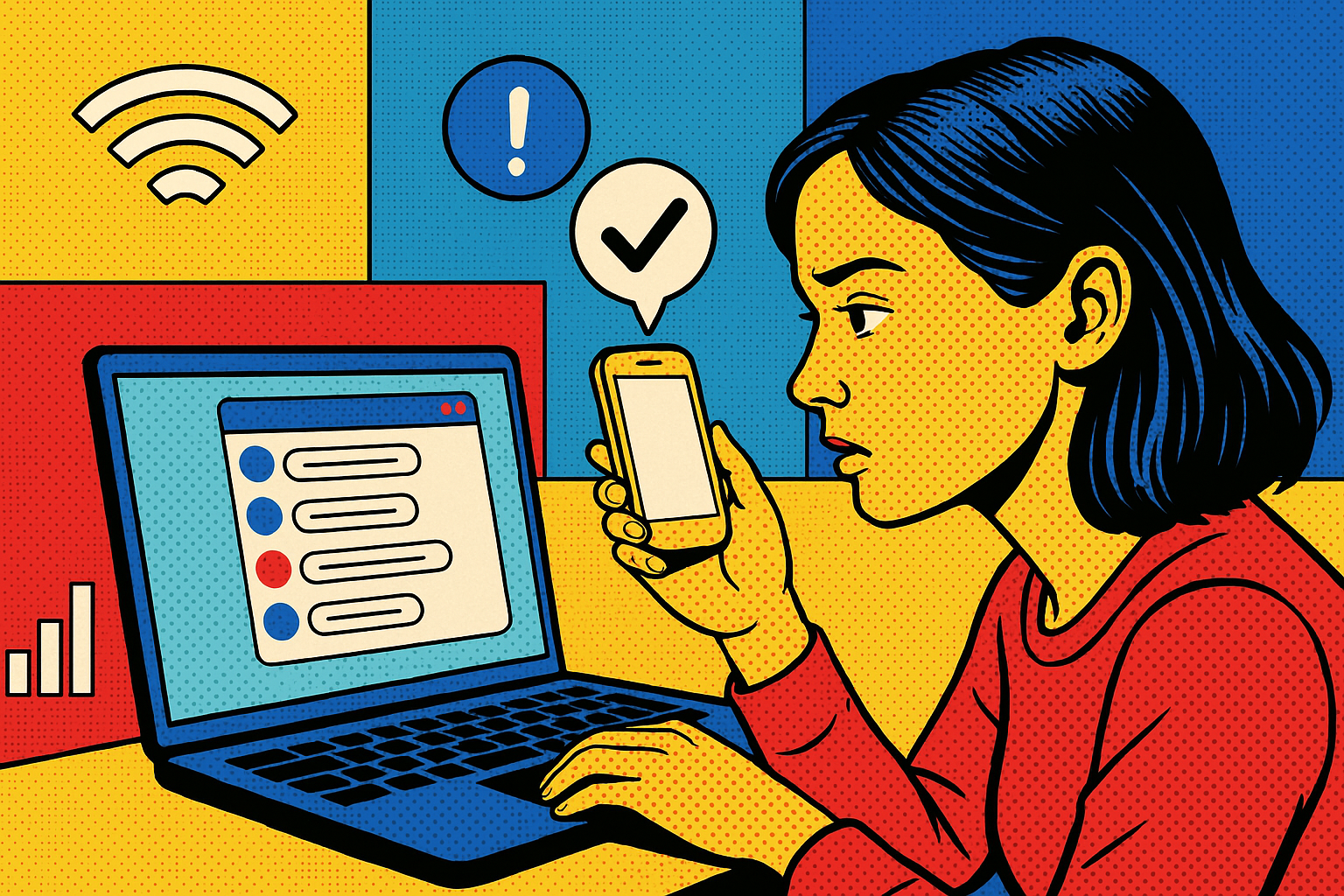
It all started when Mia received an unfamiliar text message asking her to confirm a login attempt. Thinking it was harmless, she ignored it. Minutes later, her profile photo disappeared, and her friends began receiving spam messages from her account. She quickly realized: that message was a red flag, and she missed it.
Many social media users share Mia’s experience. With profiles linked to personal data, photos, and even financial information, protecting our digital identity has become more critical than ever. Yet, one simple step—learning how to receive verification codes safely—can make all the difference.
The Hidden Risks in Everyday Sharing
It’s easy to forget that every app we use collects personal details. When signing up for new platforms or logging in on multiple devices, users often encounter verification requests. These codes are our digital locks—but only if handled properly. Hackers often exploit impatience, tricking users into sharing verification codes under the guise of “technical support” or through imitated security alerts.
Mia’s hacker used this exact method. They baited her with an authentic-looking message and waited for her to share her code. Once she did, they had instant access. The situation reminded her that caution isn’t paranoia—it’s protection.
Simple Steps to Strengthen Your Privacy
The good news? Mia turned her frustration into empowerment. With a few adjustments, she rebuilt her online safety:
1. Always verify the source. Before clicking a link or sharing confidential information, confirm that the message truly comes from the platform itself. Check the official sender ID and look for minor spelling differences—these often expose impostors.
2. Use trusted platforms to receive verification codes. Services like Verify Now help protect your identity by ensuring that verification codes are delivered securely. No more random pop-ups or confused cross-platform notifications—just safe, verified communication.
3. Enable two-factor authentication (2FA) on every account. Even if someone learns your password, they’ll still need the verification code to gain access. Think of it as adding another lock to your digital door.
4. Regularly update security settings. Privacy policies and app permissions change frequently. Taking fifteen minutes monthly to review these can prevent months of recovery later.
5. Educate your friends. Cybersecurity is stronger when shared. Warn your circle about suspicious messages and encourage responsible behavior online.
Turning Fear Into Digital Confidence
Mia learned that mistakes can be powerful teachers. She now uses her experience to coach others about online vigilance. Every time she signs into an app, she knows she’s protected—not by luck, but by intent. Her peace of mind comes from habits built on awareness and the right tools.
For social media users like Mia, privacy isn’t about isolation. It’s about ownership—knowing exactly who can access your data and when. The ability to receive verification codes safely is no longer a convenience; it’s a necessity for anyone living in a connected world.
Conclusion: Your Story Starts With Security
The digital world won’t slow down, but your safety doesn’t have to fall behind. Every post, every login, and every code you protect is a step toward a more secure future online. Don’t wait for a wake-up call like Mia’s. Take control today—because your online story deserves a safe space to unfold.
Ready to secure your digital life? Get started today!