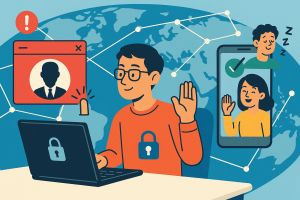
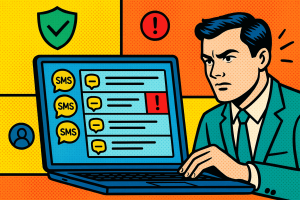
We live in a hyper-connected world where our digital footprints often reveal more about us than we’d like. As students and young professionals navigating apps, social media, and online platforms, it’s easy to assume privacy is just an illusion. But that’s where the misconceptions begin. At Verify Now, we believe that understanding your digital privacy — and learning how to protect your real number — isn’t just smart; it’s essential for your future safety and productivity. Let’s break down some of the biggest myths holding people back from taking control of their digital security.
Myth #1: “I Have Nothing to Hide, So Privacy Doesn’t Matter.”
This is one of the most common misunderstandings. Privacy isn’t about hiding things; it’s about control. Even if you think you have nothing to hide, protecting your identity ensures others can’t misuse your data. Scammers, marketers, and even job recruiters might form opinions based on your personal information. Your real number and other identifiers are gateways to more data than you realize. Guarding them means maintaining your professional reputation and personal safety.
Myth #2: “Digital Verification Is Only for Big Companies.”
Another misconception is that digital verification or identity protection is only relevant to corporate giants. In fact, individuals need it just as much—especially if you’re applying for internships, signing up for services, or running freelance gigs online. Verification tools help you prove who you are while ensuring your information doesn’t land in the wrong hands. At Verify Now, we’ve seen how even students benefit immensely when they protect their real number in a world where verification requests are everywhere.
Myth #3: “Privacy Tools Are Too Complicated.”
Gone are the days when safeguarding your digital identity required deep tech knowledge. The best modern platforms, like verify-now.com, make it simple and seamless. Whether it’s masking your real number, using two-factor authentication, or verifying your accounts securely, these tools are designed to fit effortlessly into your digital lifestyle. Think of it like wearing a seatbelt online — easy, fast, and essential.
Myth #4: “Verification Equals Invasion of Privacy.”
This one’s ironic but important. Verification, when done correctly, actually enhances privacy. Instead of handing your full personal details to multiple platforms, you can let one trusted service confirm your identity. That way, you’re not revealing more than necessary. It’s all about control — showing proof without exposure. The right digital verification process doesn’t just prove you’re real; it helps you protect your real number and other sensitive data from being over-shared.
Myth #5: “Once My Data Is Online, There’s Nothing I Can Do.”
While it’s true that data never completely disappears once online, it’s never too late to take charge. You can limit your exposure, audit your online presence, and use privacy-first tools that minimize new leaks. The process of managing your digital footprint starts with awareness — and small steps go a long way. By partnering with services like Verify Now, you can reclaim confidence in knowing that your information is verified, verified safely, and above all, used only with your consent.
The Takeaway: Your Digital Identity Deserves Respect
Privacy isn’t just for secret agents and CEOs; it’s for everyone who values authenticity and safety in the digital era. Whether you’re building your professional brand or just trying to navigate online platforms securely, learning how to protect your real number is the cornerstone of smart digital citizenship. It’s not fear — it’s empowerment.
Ready to take your privacy seriously and simplify your online life? Get started today! Visit verify-now.com to begin your journey toward smarter, safer verification.